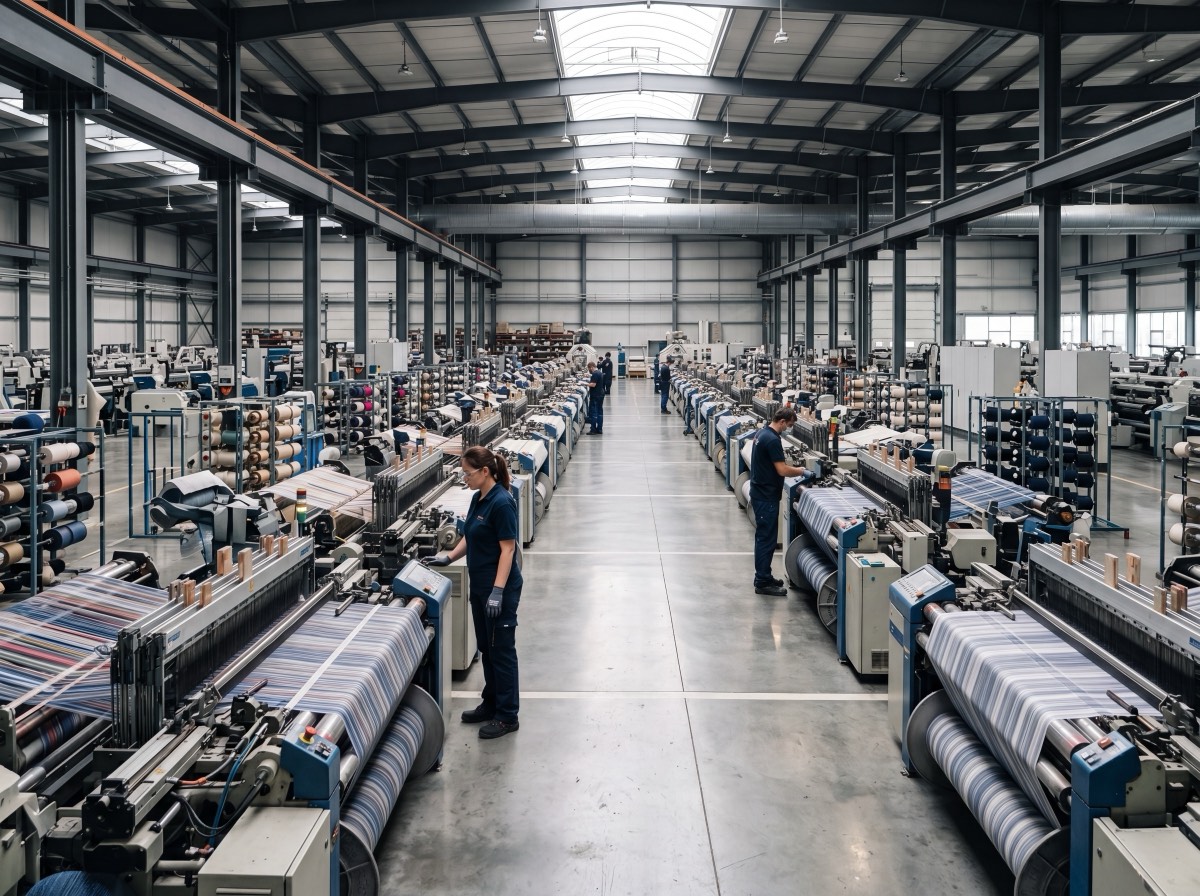
Turkey is one of the largest fabric sources for Europe and Ukraine, thanks to its geographic proximity and a product range that spans knitted cotton and denim to technical and printed textiles. But importing fabric successfully does not end with supplier quality — it depends heavily on mastering logistics and customs clearance. This guide walks through the import journey from origin to receiving the order in your warehouse.
Documents and pre-shipment preparation
Before any shipment, agree clearly on Incoterms with the supplier, since they define each party's responsibility for transport, insurance and duties. The most common in fabric trade are EXW, FOB and CIF. You must also prepare a precise document package, because any error there delays clearance and inflates cost.
- Commercial invoice with an exact fabric description, composition and weight
- Packing list showing the number of rolls and meters
- Certificate of origin and an A.TR movement certificate for preferential access to the EU customs union
- Transport document (CMR for road or Bill of Lading for sea)
- The correct HS code for the textile
Transport options and costs
Fabric is mostly moved by road from Turkey toward Ukraine and Eastern Europe — the fastest route for medium volumes — while sea freight through ports suits large volumes at lower cost but longer transit. Always plan around total meterage and volumetric weight, because fabric rolls occupy significant space and may drive cost more than actual weight.
On arrival, the shipment is assessed for customs value, with duties and VAT calculated per the HS code and country of origin. An A.TR document can materially reduce duty when entering the EU, so verify eligibility in advance with your customs broker.
Risk and quality management
Always insure the cargo against damage and moisture, as fabric is sensitive to water and staining in transit. Request a pre-shipment inspection to confirm color, width and weight (GSM) before the goods leave the mill. Solid documentation protects you in any dispute.
Ultimately, importing from Turkey becomes far smoother when you have a trusted partner connecting suppliers and buyers and standardizing specifications and paperwork. Tkanex is built for exactly this: simplifying wholesale fabric sourcing between Turkey, Ukraine and Europe with transparent pricing and specifications that make your logistics and customs planning easier.