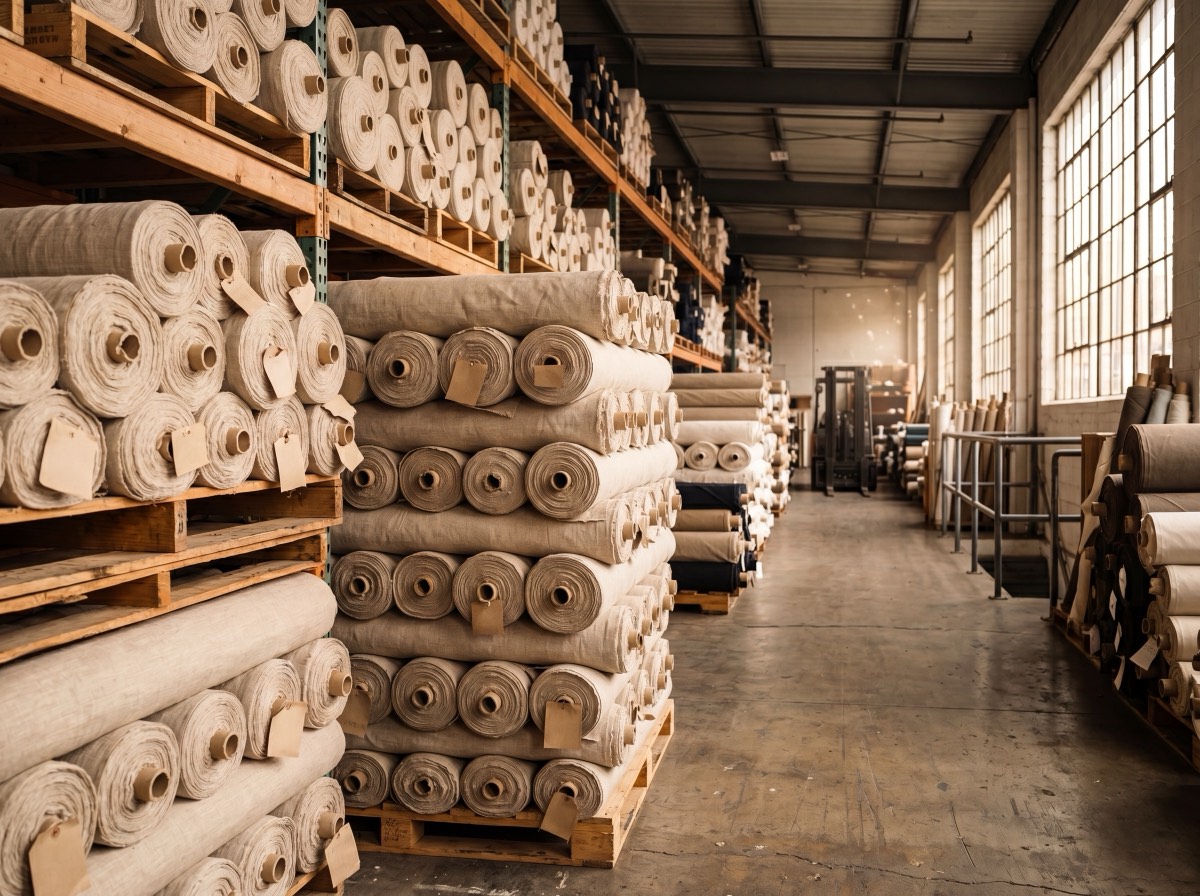
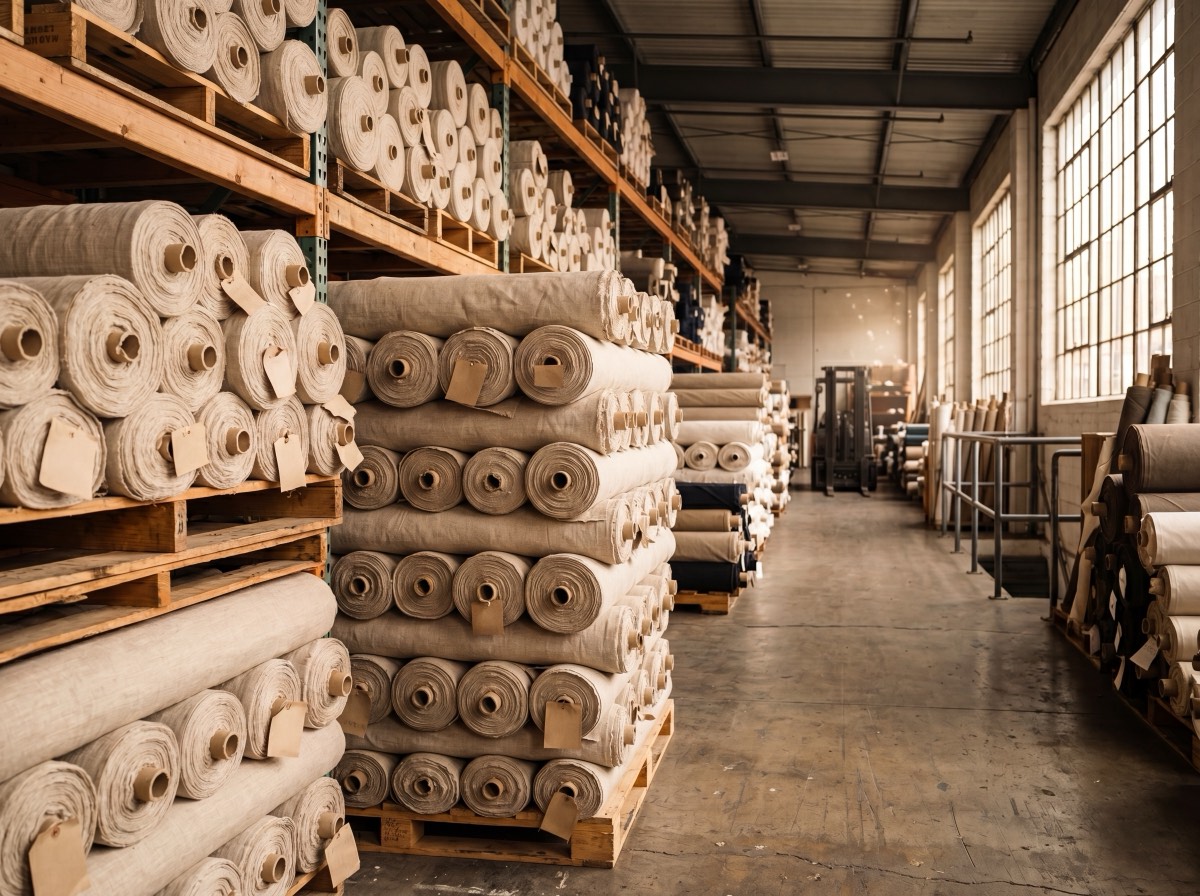
From the outside, buying wholesale fabric rolls looks simple: pick the material, agree on a price, wait for the shipment. In reality the process is far more nuanced. Small mistakes at the purchasing stage turn into cutting losses, stalled production lines, and finished garments that miss customer expectations. This article walks through the ten most common mistakes buyers make and how to avoid them.
Specification and Evaluation Mistakes
The first and costliest mistake is ordering without a physical cutting swatch. An on-screen image cannot convey hand-feel, drape, or true color under different lighting. The second is ignoring fabric weight (GSM) and trusting vague words like medium or heavy, when a difference of 20 to 30 grams per square meter changes how the product behaves entirely. The third is overlooking the cuttable width of the roll; a slightly narrower width can break your marker layout and inflate waste.
The fourth mistake is failing to verify color fastness and shrinkage after washing, especially in cotton and blended fabrics. The fifth is assuming all rolls come from the same dye lot; mismatched lots produce visible shade variation within a single garment.
- Always request a real swatch and refuse to rely on photos alone.
- Document GSM, fiber composition, and width in writing on the purchase order.
- Require a single, consistent dye lot for each order.
- Ask for shrinkage and color-fastness test reports on large quantities.
- Check pile direction and pattern repeat before approving the cutting plan.
Quantity and Commercial Mistakes
The sixth mistake is neglecting the waste margin; directional pile and repeating patterns consume extra meters that must be budgeted in advance. The seventh is buying large volumes from a new supplier without a small trial order to test quality and on-time delivery. The eighth is leaving Incoterms, freight, and customs responsibility vague, which surprises the buyer with hidden costs.
The ninth mistake is overlooking the returns and defect policy; the acceptable defect rate and compensation mechanism should be agreed in advance. The tenth is chasing the lowest unit price alone while ignoring the total landed cost that includes waste, customs, and rework.
Avoiding these mistakes does not require decades of experience, only a disciplined buying process and transparent suppliers. With Tkanex you can review precise specifications for every roll, request samples, compare suppliers, and track your orders with confidence from Ukraine across Europe, building a safer and more profitable fabric supply chain.