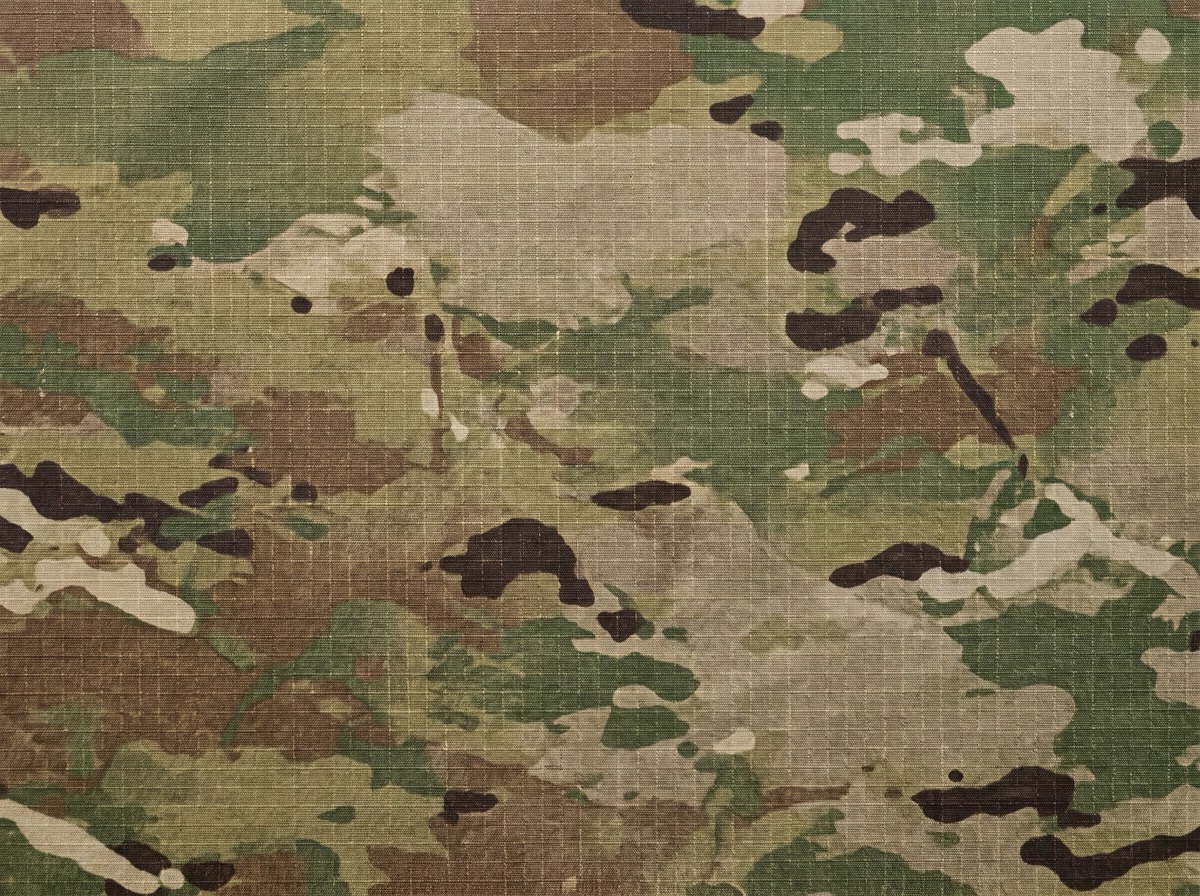
Ripstop fabric is the backbone of modern outdoor gear, from tents to sleeping bags and backpacks. The construction relies on a weave that introduces thicker, reinforcement yarns at regular intervals in a grid pattern, so any small tear stops at a single square instead of propagating across the panel. This delivers an excellent strength-to-weight ratio, the single most important equation in the lightweight equipment world.
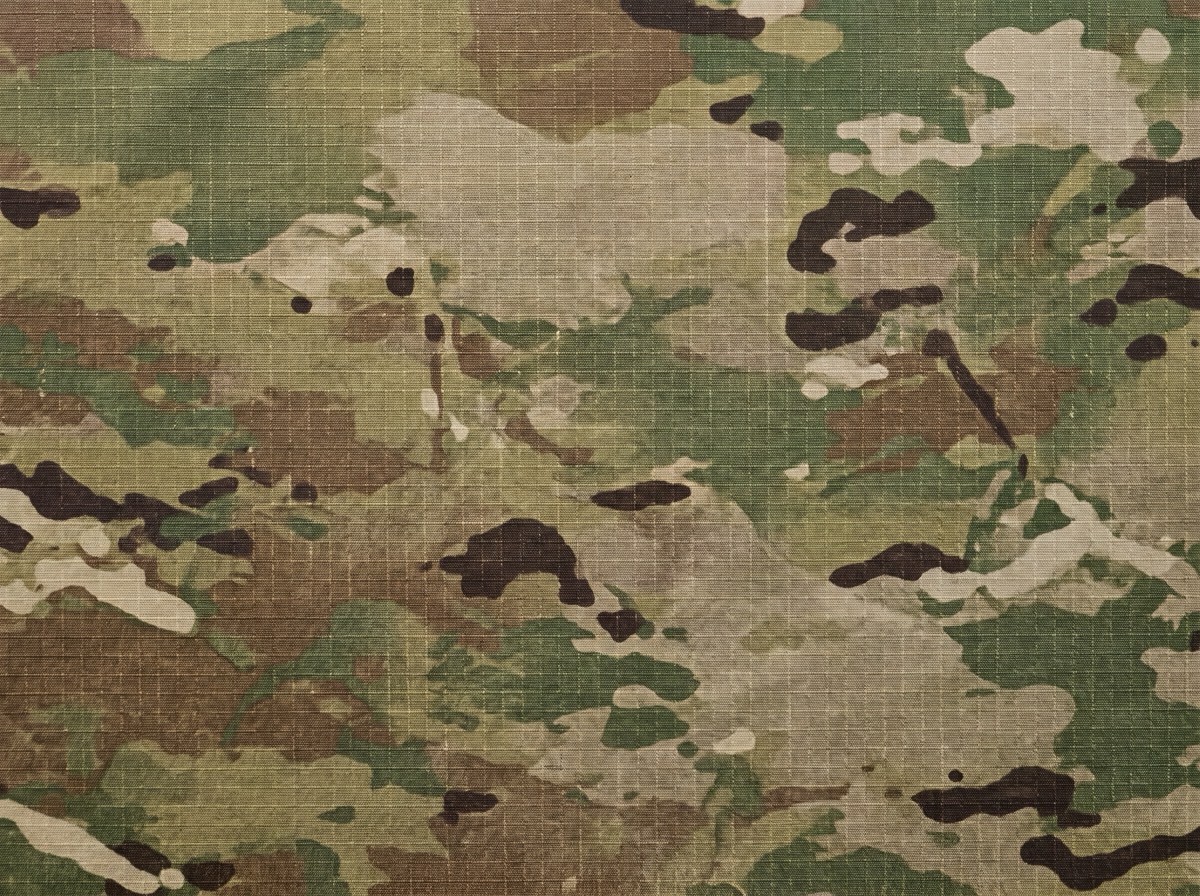
In a sourcing context, the word "ripstop" alone does not define a spec. It describes the weave structure, while real performance depends on the fiber type (nylon or polyester), the fabric weight expressed in denier (D), and the coating or finish. Nylon is generally stronger and more elastic, while polyester is more stable under UV exposure and absorbs less water.
Specs by Product Type
The right ripstop choice changes dramatically with the end use. A tent floor needs high abrasion resistance and a strong waterproof rating, while the rainfly balances weight against colorfastness. Sleeping bags use very low weights to keep the hand soft and highly packable, whereas backpacks demand heavier fabrics that survive daily abrasion.
- Tent floor: 40D–70D nylon with PU or silicone coating and a high hydrostatic head for moisture resistance.
- Tent rainfly: 15D–30D with double silicone coating (Silnylon) for low weight and durability.
- Sleeping bag shell: 10D–20D ultralight, prized for soft hand and high compressibility.
- Backpack: 210D–500D nylon or Cordura for abrasion and tear resistance.
Coatings and Finishes
Surface treatments define performance as much as the weave itself. A polyurethane (PU) coating is economical and gives good water resistance but can hydrolyze over the years. Silicone coating is lighter and stronger and extends fabric life, though it costs more and makes seam taping harder. A DWR water-repellent finish is typically added to the face, alongside UV-resistance and flame-retardant treatments depending on the target market.
When building an outdoor gear line, the difference between a successful product and a returned one usually lives in the fine fabric details: denier, coating, colorfastness, and hydrostatic head. At Tkanex we offer a broad range of ripstop fabrics with documented specs and ready samples, helping manufacturers and distributors across Ukraine and Europe choose the right textile for each application with confidence and clarity.