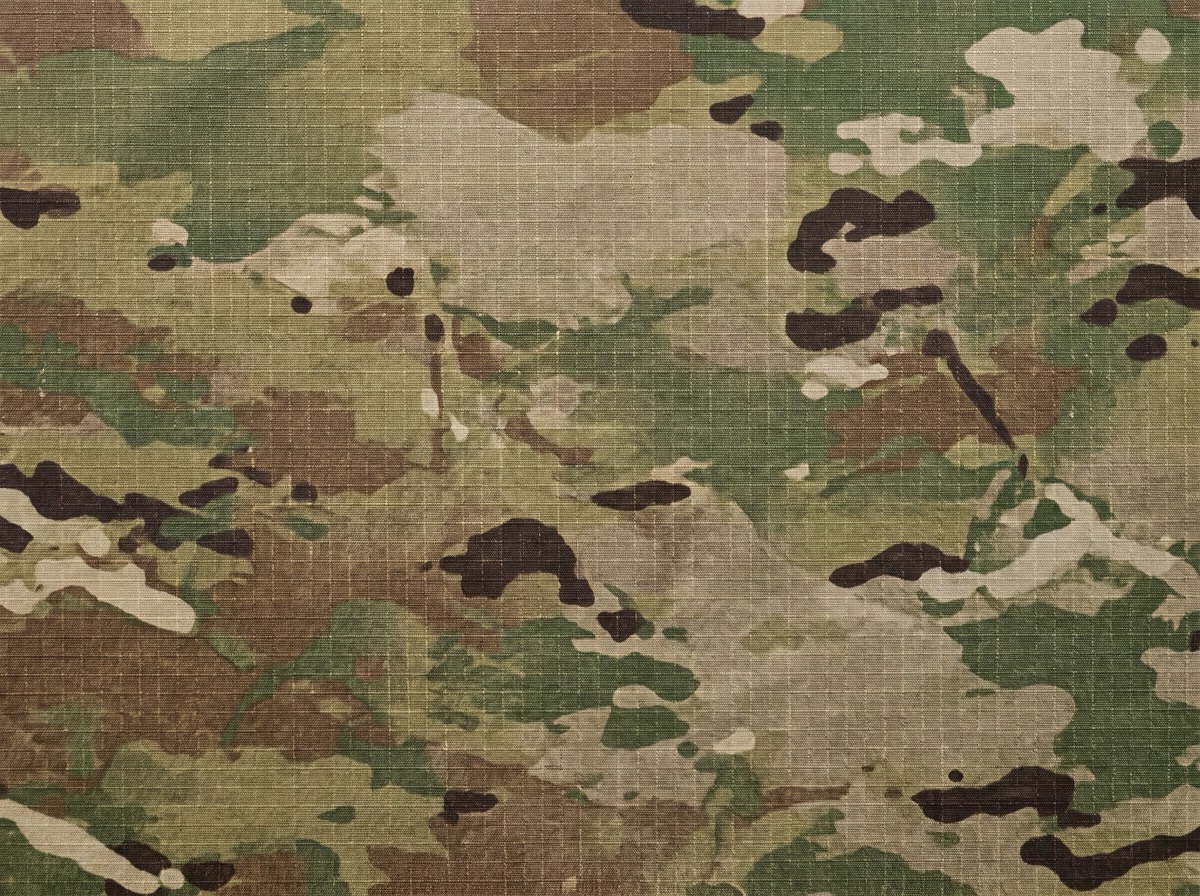
Ripstop fabrics are among the most relied-upon technical textiles for industrial and outdoor equipment that face constant mechanical stress. The defining quality is not the yarn itself but the reinforced weave structure, which integrates thicker threads in a regular grid pattern so that any tear is stopped at its boundary rather than running across the entire cloth.
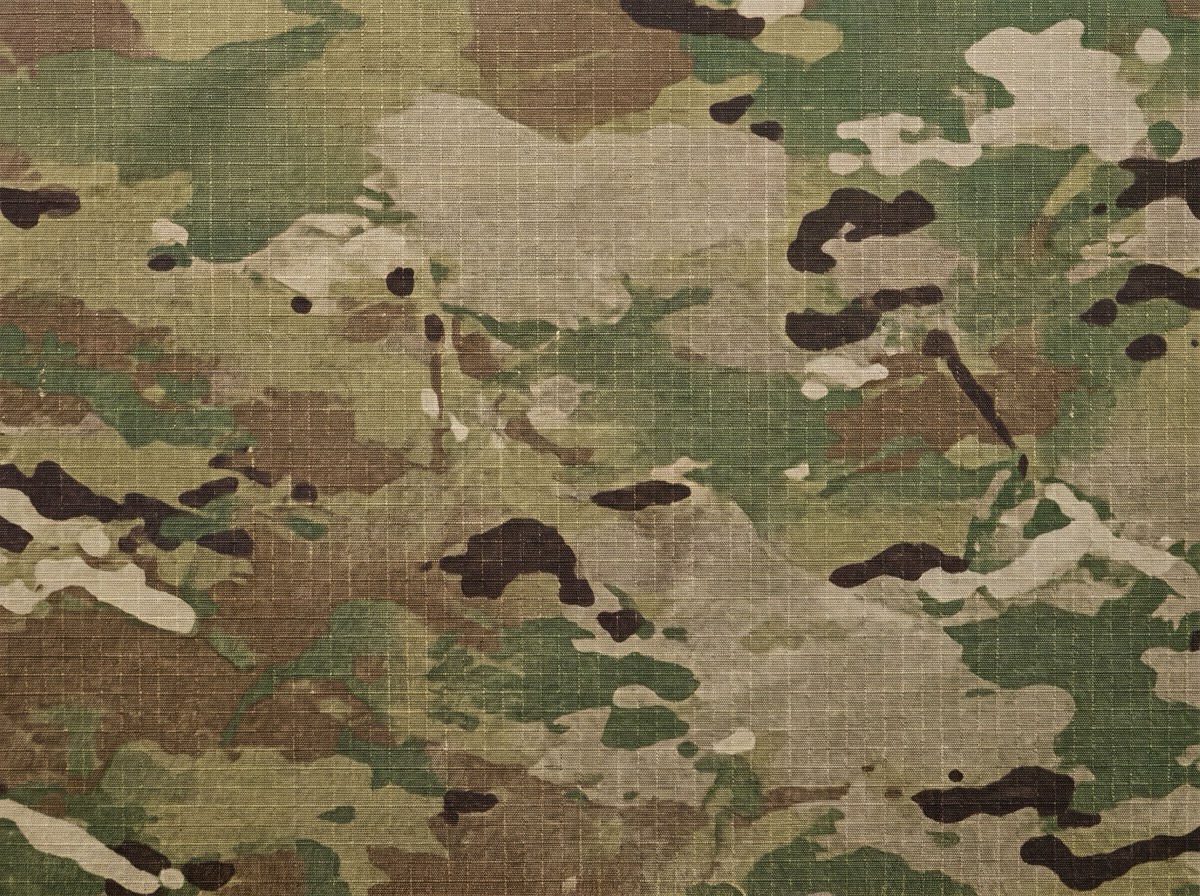
Ripstop technology was originally developed during World War II as a lighter, stronger replacement for silk parachutes, and later moved into tents, sails and workwear. Today it is most often produced from nylon or polyester, and sometimes from cotton or cotton blends for flame-resistant uses. The engineering idea is constant: a reinforcement grid every few millimetres distributes stress and prevents holes from spreading.
How the reinforced weave works
Ripstop is woven by introducing heavier reinforcement yarns at regular intervals into a background of finer threads. This contrast in yarn thickness creates the characteristic square pattern visible under light. When a cut occurs, the stronger grid threads act as stop barriers that confine the damage to a single square. The result is a relatively lightweight cloth that resists tearing and puncture far more effectively than a uniform weave of the same weight.
Selection criteria for wholesale buyers
When evaluating suppliers, the fabric name alone is not enough; the numerical specifications determine real-world performance. Pay attention to the following factors:
- Weight (denier or g/m²): from around 40D for light apparel up to 600D+ for bags and heavy equipment.
- Fibre type: nylon is stronger and more flexible, while polyester holds colour better and resists UV more readily.
- Coatings and finishes: such as PU or silicone for water resistance, plus DWR treatments and flame retardants.
- Reinforcement grid density: a tighter grid gives higher tear resistance but may add slight weight.
- Colourfastness and abrasion resistance: essential for products exposed to sun and repeated use.
Industrial and outdoor applications
Ripstop fabrics appear in tents, mountaineering packs, sails, parachutes, workwear, military uniforms, protective covers and inflatable mats. In industrial settings, heavier coated versions are chosen for abrasion and moisture protection, while light outdoor applications rely on a careful balance between weight and durability. The common thread is the need for a cloth that endures repeated stress without sudden failure.
Choosing the right ripstop is an engineering decision before it is a purchasing one, depending on matching weight, coating and fibre type to the actual conditions of use. Through Tkanex, manufacturers and distributors across Ukraine and Europe can access a reliable range of ripstop fabrics with clear specifications and inspectable samples, simplifying wholesale sourcing and reducing the risk of selecting the wrong cloth.