Ukraine's knitwear production sector is gaining momentum as European apparel brands look for sourcing partners that are closer, more flexible, and faster to respond. Yet the quality of every finished garment begins at a single decisive point: choosing the right knitted fabric. Knit is never just yarn and color; it is a precise combination of fiber type, fabric weight, and dimensional stability that determines how a garment feels and how long it lasts.
Understanding Knit Structure
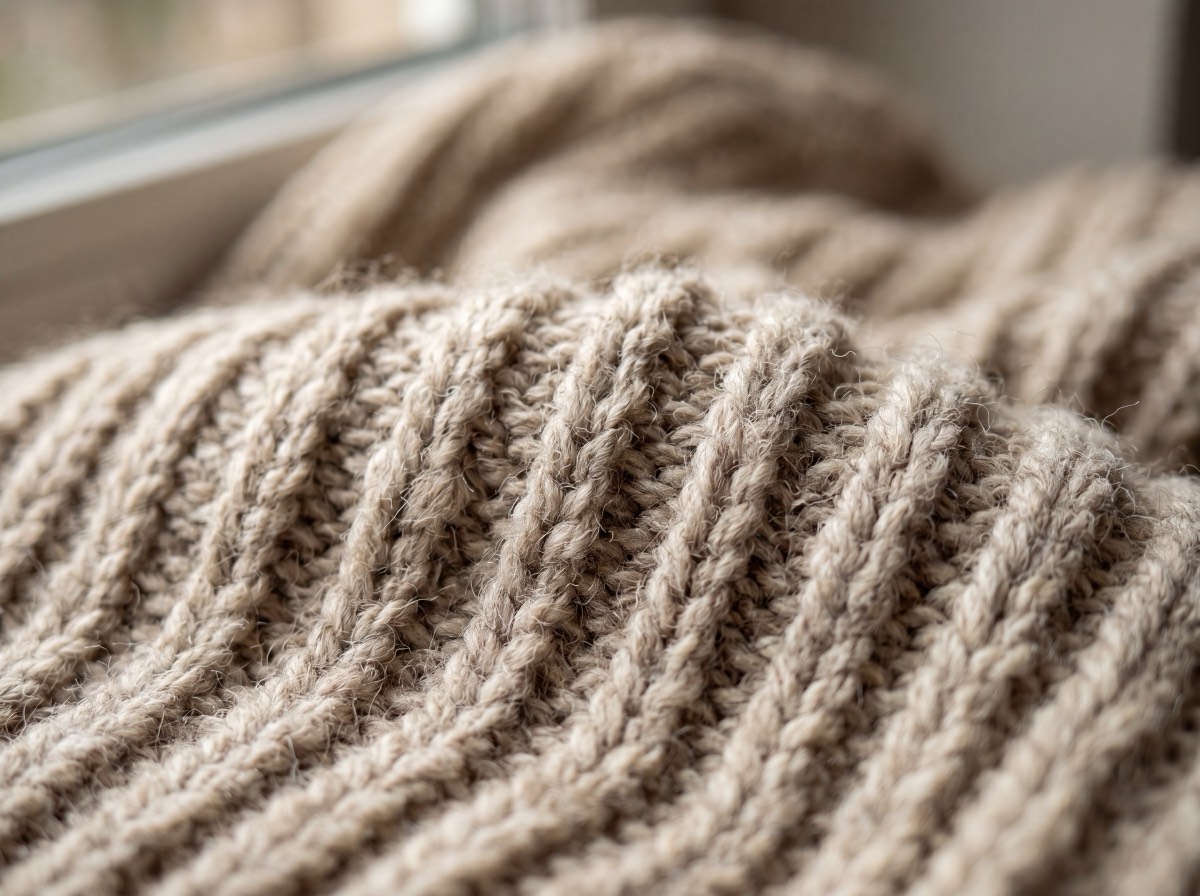
Knitted fabrics differ fundamentally from wovens: they are formed by interlocking loops of yarn, which gives them their natural stretch. Among the most requested constructions in apparel production is ribbed knit (Rib), prized for its high crosswise elasticity and used for cuffs, collars, and hems, alongside single jersey, interlock, and French terry. The right structure depends on the garment's purpose, whether the priority is stretch, stability, or warmth.
Quality Criteria to Verify
Before committing to any supplier, a brand should evaluate a set of measurable technical indicators, because these define how well bulk production performs and how consistent quality stays across repeat batches.
- Fabric weight (GSM): typically ranging from 140 to 320 g/m² depending on the product, from summer tees to sweatshirts.
- Fiber composition: combed cotton, cotton-elastane blends for added stretch, or viscose for softness.
- Dimensional stability: shrinkage after washing should stay within acceptable limits, often under 5%.
- Color fastness: resistance to fading under washing, rubbing, and light exposure.
- Pilling resistance: a key indicator of surface durability and long-term appearance.
From Fabric to Brand
The relationship between a brand and its mill is not a one-time transaction but a long partnership. Consistency across batches, clear technical specifications, and the ability to reproduce the same quality all protect a brand's reputation. Sourcing closer to home within Ukraine and Europe also shortens lead times and allows smaller minimum quantities and greater design flexibility.
Ultimately, choosing the right knitted fabric is an investment in end-customer satisfaction. Through the Tkanex platform, brands and production workshops can reach trusted knit fabric suppliers, compare technical specifications, request samples, and build a transparent supply chain that combines European quality with local flexibility.