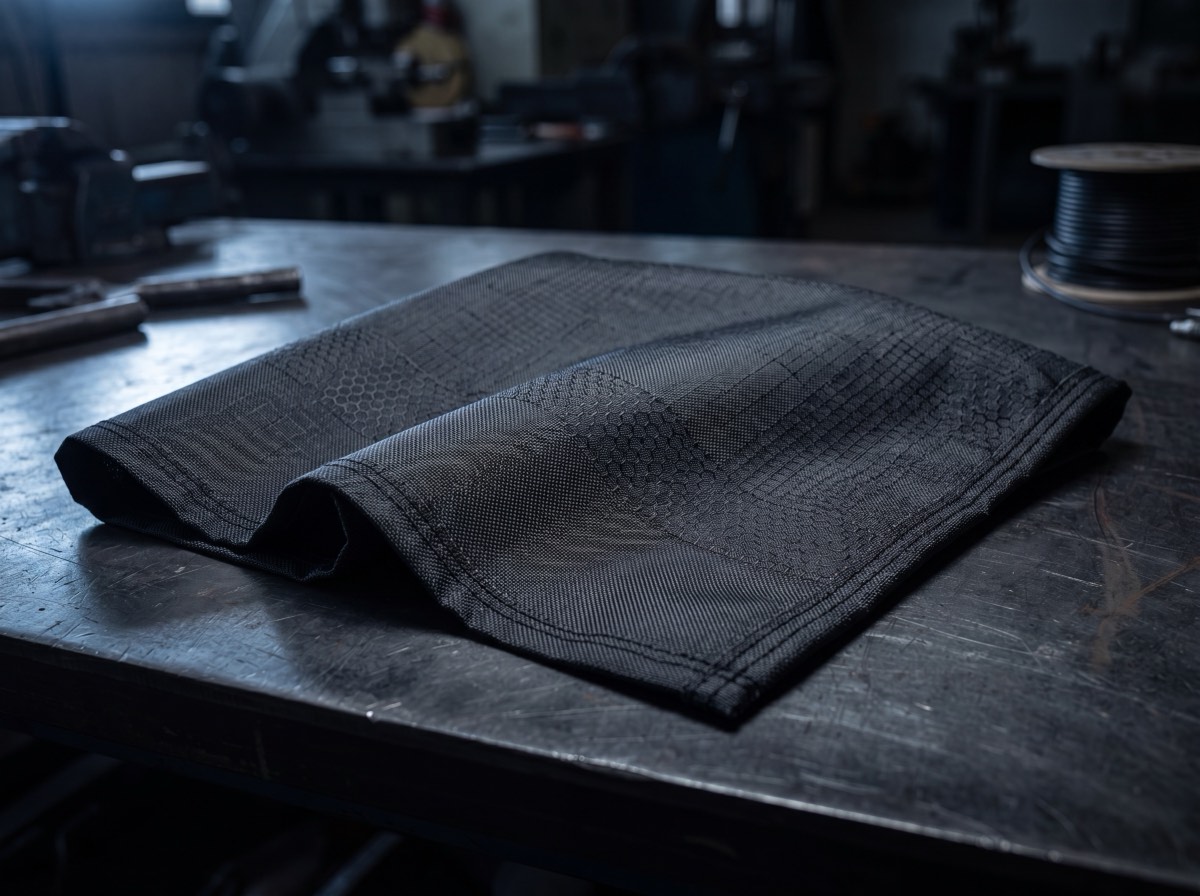
Sourcing medical textiles for scrubs and protective gowns is a discipline governed by precise technical specifications, not guesswork. Here the fabric is not merely something worn; it is a functional barrier that must balance protection, comfort, and durability across repeated industrial laundering cycles. Any wholesale buyer serving hospitals or garment manufacturers needs to understand these parameters before issuing a purchase order.
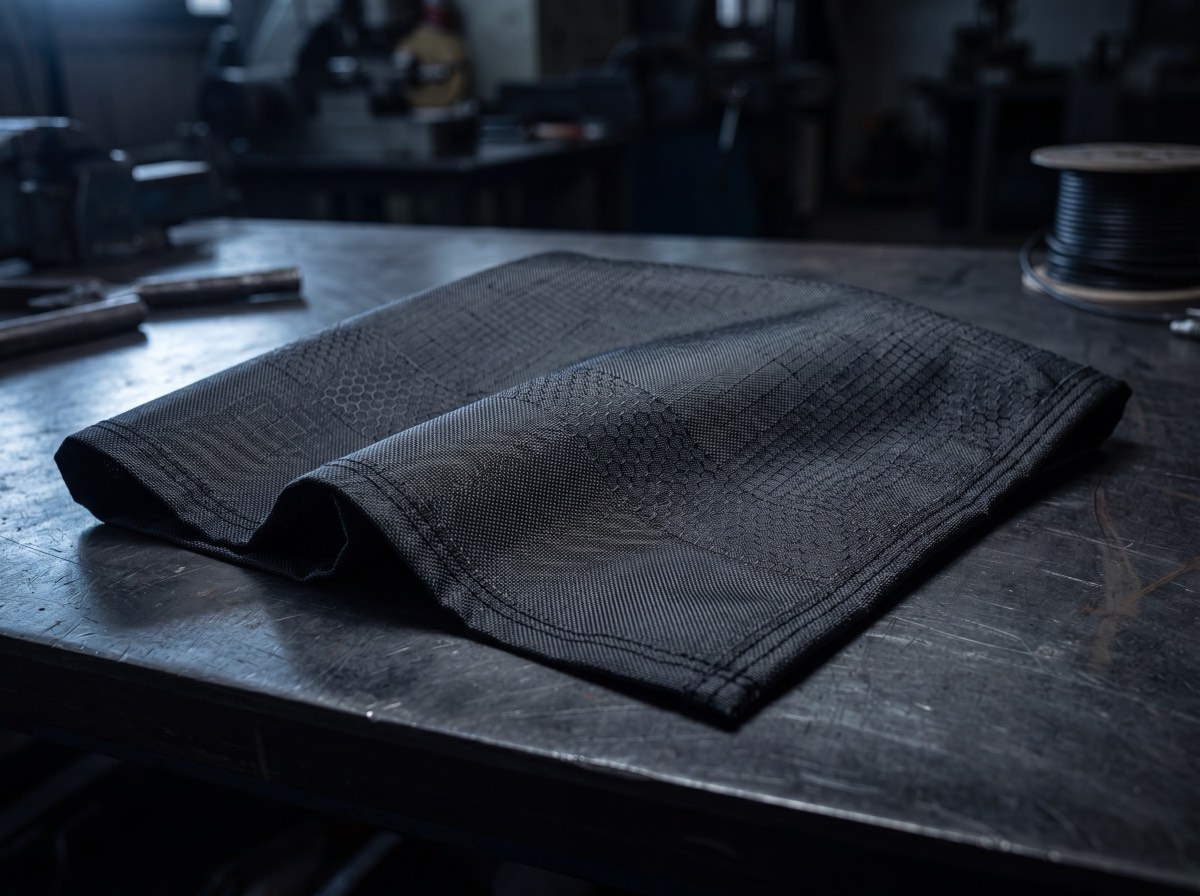
Fiber Composition and Fabric Weight
Scrub fabrics typically rely on polyester/cotton blends in common ratios such as 65/35, or on tri-blends that add spandex (elastane) at 2 to 5 percent for stretch and freedom of movement. Suitable fabric weight usually falls between 130 and 220 grams per square meter; lighter cloth suits warm environments while heavier cloth resists tearing and reduces see-through. Protective surgical gowns lean toward densely woven polyester or nonwoven (SMS) constructions with fluid-repellent finishes, where barrier performance becomes the leading criterion.
Performance Criteria and Finishes
Functional finishes are what separate medical cloth from ordinary cloth. Look for the following specifications when evaluating a supplier
- Fluid repellency: water- and blood-repellent treatments assessed via AATCC 22 spray tests or hydrostatic head.
- Color fastness: resistance to fading under repeated washing and chlorine sterilization.
- Antimicrobial finish: a layer that limits bacterial growth and odor.
- Shrinkage: dimensional change ideally kept under 3 percent after industrial wash cycles.
- Pilling and abrasion resistance: verified through Martindale testing for a long service life.
Certification and Documentation
In the European market, OEKO-TEX Standard 100 certification is commonly required to confirm the fabric is free of harmful substances, alongside compliance of surgical gowns with the EN 13795 series for surgical clothing. Make sure you obtain a tech pack documenting composition, weight, finishes, and laboratory test results; this documentation is essential for customs clearance and for audits by the end buyer.
Choosing the right medical fabric is a decision that blends engineering with compliance. Through Tkanex you can reach verified suppliers across Ukraine and Europe, compare specifications and certifications, and request samples within a single platform that shortens the sourcing cycle and ensures consistent quality for every batch.