Faux fur has become a cornerstone material in premium winter apparel, delivering warmth and a luxurious look without relying on animal fur. For wholesalers and manufacturers across Ukraine and Europe, this fabric opens a profitable category of high-margin winter pieces, provided you understand its construction and how to source it correctly.
What Faux Fur Is and How It Is Made
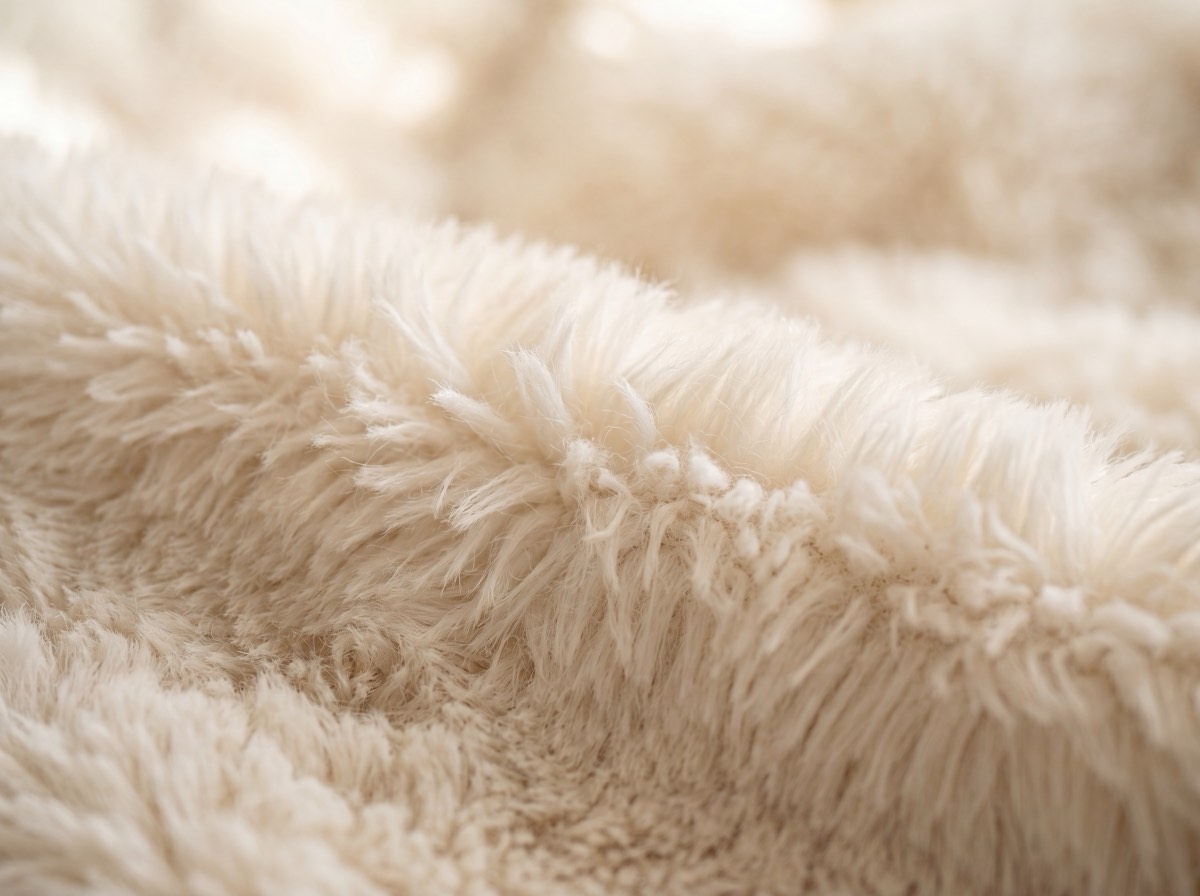
Faux fur is typically built from acrylic, modacrylic, and polyester fibers tufted onto a knit backing. Quality is defined by the pile length, fiber density, and the heat-finishing process that gives the surface its natural, animal-like feel. Higher grades use modacrylic blends for flame resistance and colorfastness, while economy versions rely on pure acrylic that tends to mat and lose definition after washing.
Quality Criteria When Sourcing
When evaluating a supplier, never judge by visual appearance alone. Request samples and test them by hand and in use, focusing on the indicators that separate premium fabric from low-grade goods:
- Weight (GSM): Heavier weights usually signal denser pile and longer service life.
- Colorfastness: Test dry and wet rubbing to avoid fading and crocking.
- Shedding: Good fabric should not release fibers when rubbed.
- Knit backing: A firm backing prevents stretch and distortion during sewing.
- Recovery and anti-matting: How the pile springs back after compression reveals fiber quality.
The Eco Angle and Applications
Faux fur is marketed as a cruelty-free alternative to animal fur, a strong selling point in the European market. That said, synthetic fibers are petroleum-based, so serious manufacturers increasingly turn to partially recycled polyester variants to reduce the carbon footprint. Common applications include coat collars, jacket linings, hats, trims, and winter accessories, where it adds a premium touch at a controlled cost.
In conclusion, premium faux fur represents a clear profit opportunity for buyers who master supplier selection and quality control. Through the Tkanex marketplace, wholesalers across Ukraine and Europe can reach verified suppliers, compare samples and pricing, and secure winter materials that combine quality, sustainability, and a healthy margin.