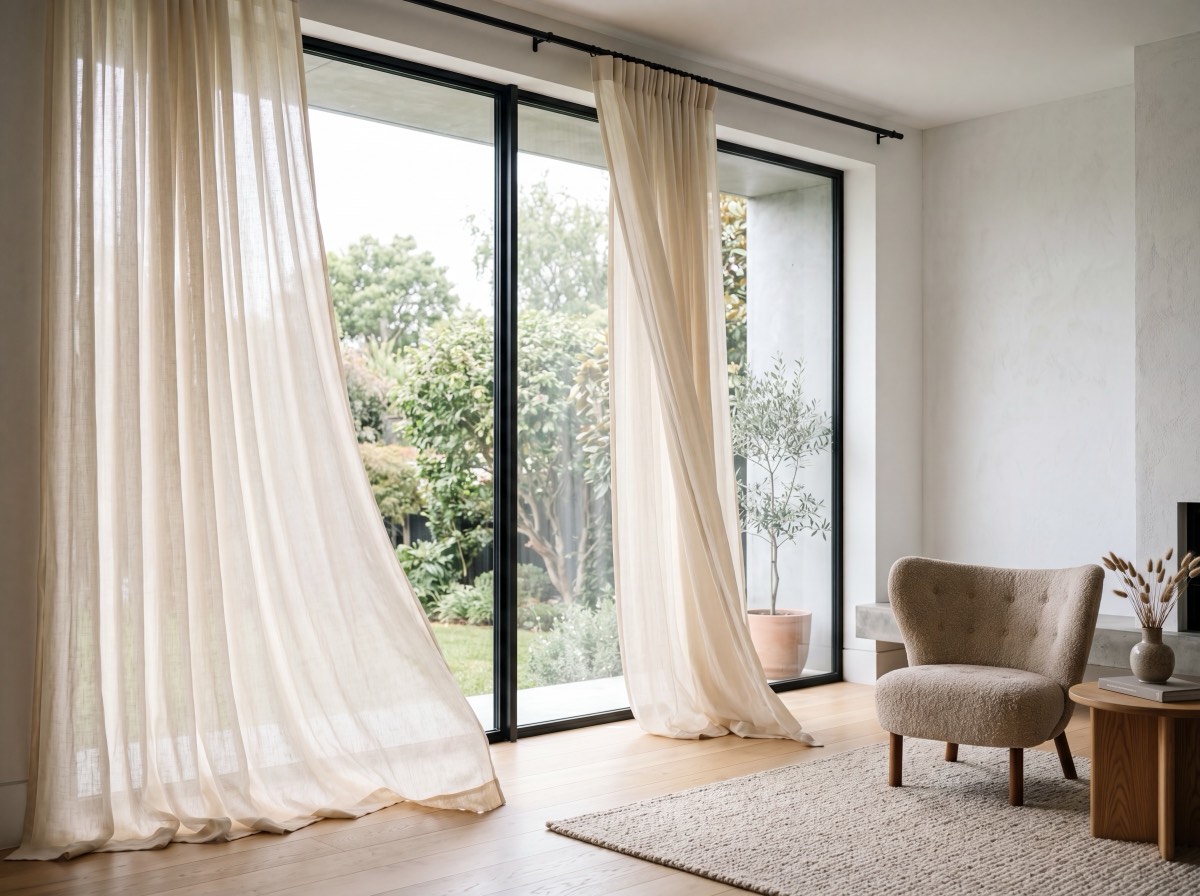
Choosing curtain and home textile fabrics is not purely an aesthetic decision; it is a technical and commercial one. A fabric hung at a window faces sunlight, dust and repeated laundering daily, and it must hold its colour, hand and drape for years. In wholesale, the gap between a suitable fabric and an unsuitable one shows up in return rates and customer complaints, so smart selection starts with understanding composition, weight and finishing long before you look at price.
The Core Fabric Families
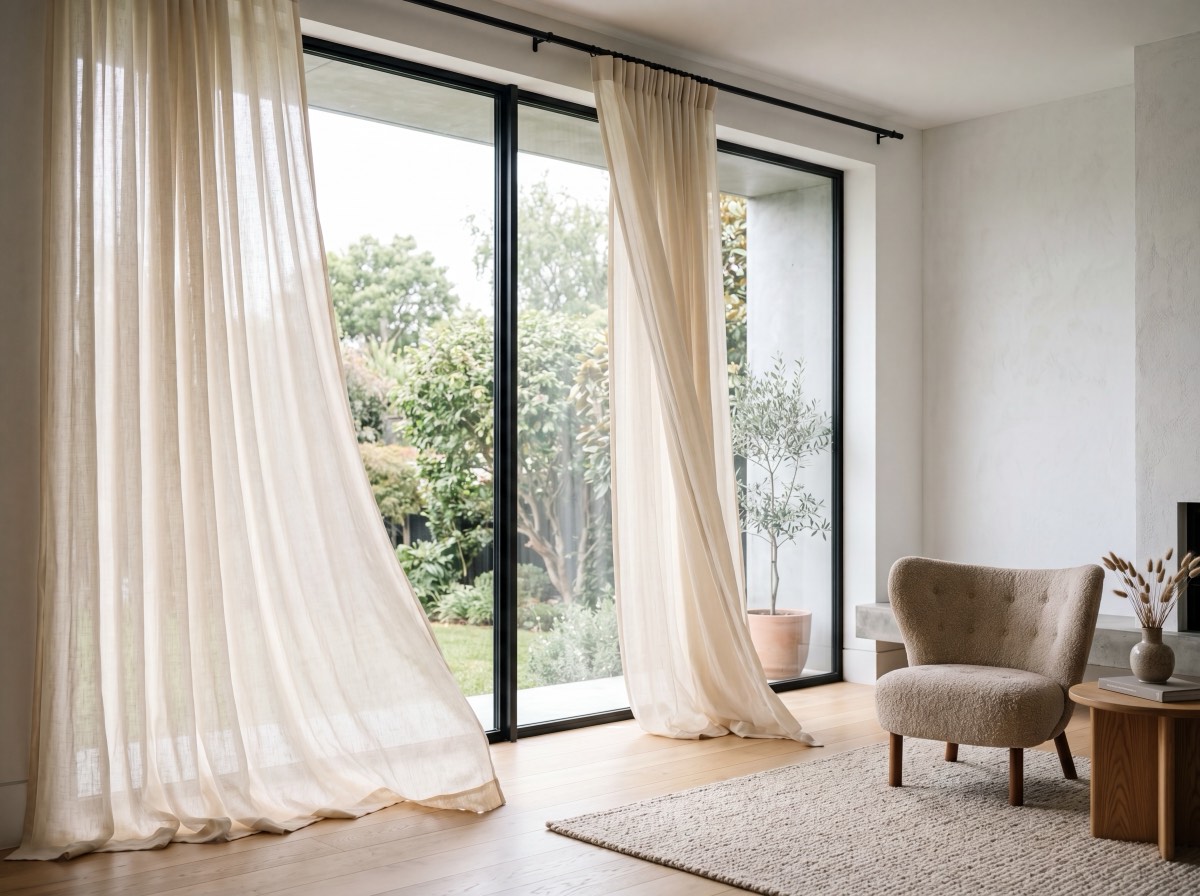
Curtain fabrics fall into three practical categories. Sheers such as voile and organza pass light through and offer partial privacy; semi-opaque fabrics like linen and cotton blends balance daylight with screening; and blackout fabrics, lined or densely woven, block light almost entirely and are in demand for bedrooms and hospitality. Each category calls for a different weight and finish, and it pays to match the category to the client's end use rather than to a sample swatch alone.
- Velvet: rich, heavy and a good thermal insulator, suited to classic and colder interiors.
- Linen and cotton: natural hand and soft drape, but prone to shrinkage unless pre-treated.
- Polyester and blends: high resistance to creasing and fading with easy care; the wholesale workhorse.
- Jacquard and damask: woven raised patterns ideal for premium drapery and soft furnishings.
The Technical Criteria That Matter
When buying wholesale, do not stop at appearance. Ask for the weight in grams per square metre (GSM), a direct indicator of density and durability, and confirm the bolt width, which governs waste during fabrication; wide widths of 280-300 cm are preferred for curtains to minimise seams. Ask about colour fastness to light and washing, and about functional finishes such as flame retardancy required in hospitality and contract projects. A real sample, washed and exposed to sun, reveals more than any printed spec sheet.
From Curtains to Complete Furnishings
Home textiles do not end at curtains. Upholstery fabrics, tablecloths and cushions share many of the same criteria but demand higher abrasion resistance, measured in Martindale rub cycles. Consolidating supply across these lines simplifies colour and batch management and keeps the decor coherent for your end customer.
Ultimately, success in home textiles rests on reliable sourcing, accurate samples and enough variety to cover every market tier. The Tkanex platform brings fabric suppliers across Ukraine and Europe together in one place, with clear specifications and easy sample requests, helping you select the right fabric with confidence and build a home textile catalogue your customers can trust.