No segment of the textile industry carries stricter material requirements than baby clothing. An infant's skin is thinner, more permeable and far more reactive to chemicals and friction than an adult's, which makes fabric selection a safety decision long before it is an aesthetic one. Any wholesale buyer sourcing for childrenswear producers needs to understand the certification ecosystem that governs this category before signing a single purchase order.
The Best Fibers for Infant Skin
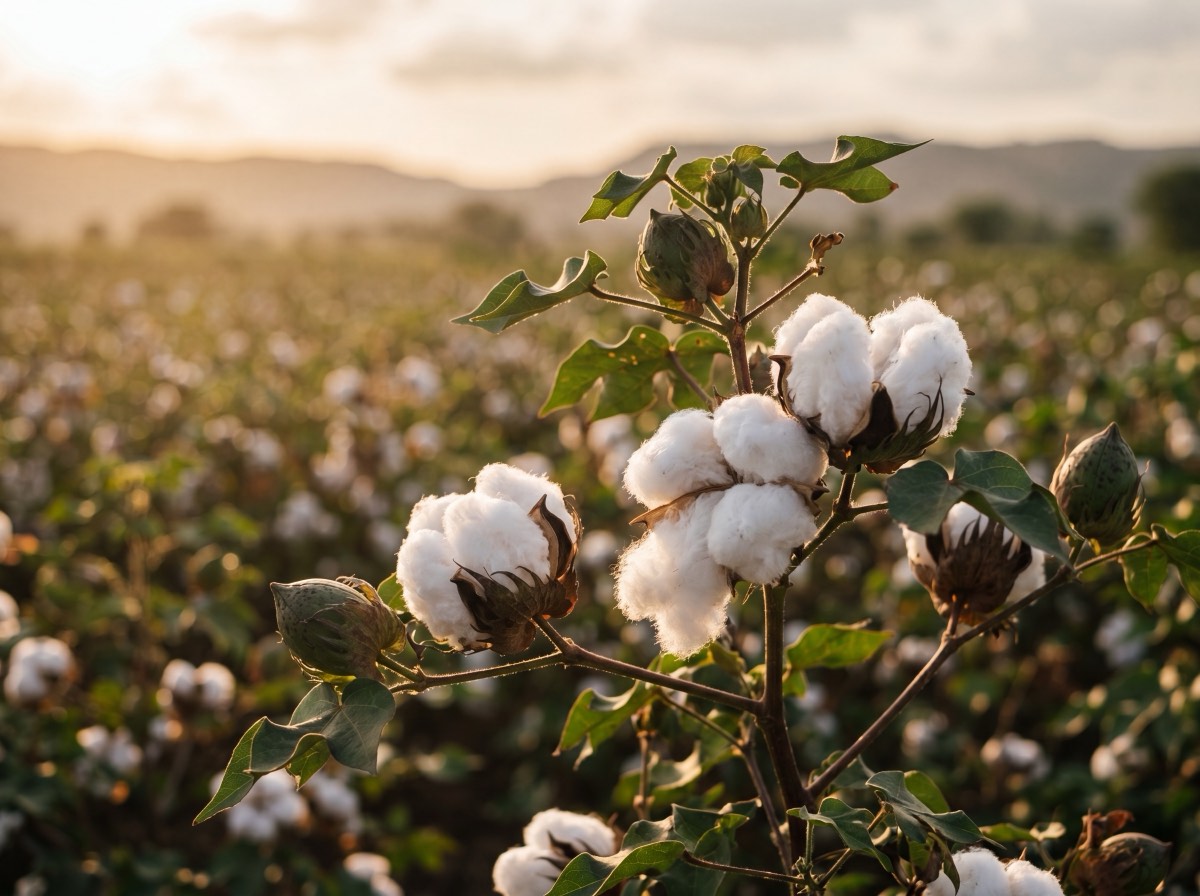
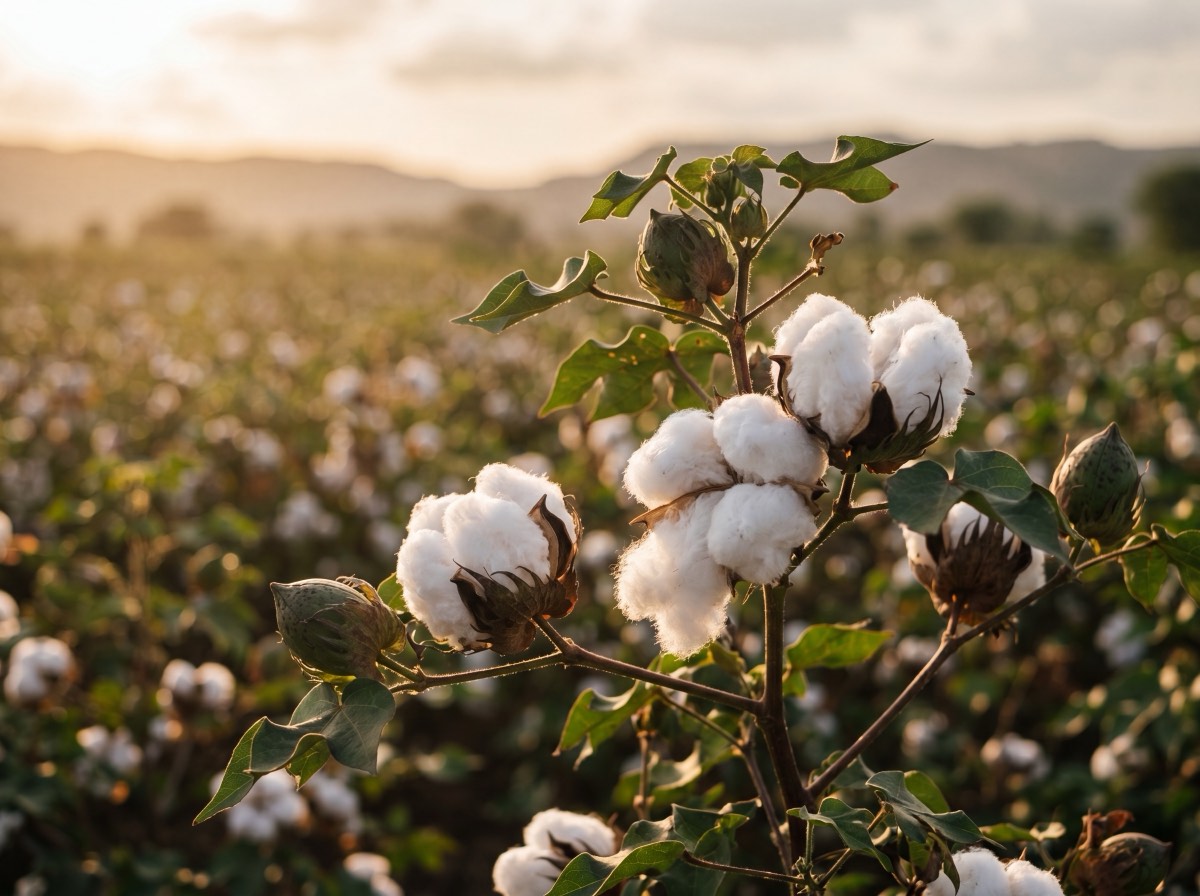
Natural fibers lead the list for functional reasons. Combed cotton remains the first choice for its softness, moisture absorption and breathability. Many manufacturers prefer organic cotton, grown without synthetic pesticides to minimise chemical residues. Muslin and interlock knit deliver excellent stretch and airflow for knitted garments, while bamboo viscose is valued for its naturally soft hand and antibacterial qualities, provided its chemical processing is properly documented. For first-layer garments touching the skin, avoid coarse synthetics and harsh flame-retardant finishes wherever possible.
Certificates and Standards to Request
Fabric safety is not judged by feel alone but by accredited laboratory documentation. When supplying European and Ukrainian markets, confirm the following certificates are present, in date, and matched to the actual production lot:
- OEKO-TEX Standard 100, Product Class I, the strictest tier for babies and toddlers, with the lowest limits on harmful substances.
- GOTS to verify organic content and an environmentally and socially responsible supply chain.
- Compliance with EU REACH rules on chemicals and banned azo dyes.
- Colour fastness testing (to perspiration, saliva and washing) because infants put fabric in their mouths.
- Mechanical safety such as EN 14682 on cords and drawstrings to prevent strangulation.
Practical Controls for Wholesale Buying
Before approving a supplier, request actual production samples rather than showroom swatches and run a trial wash to observe shrinkage, colour fastness and hand feel after several cycles. Check the fabric weight (GSM) against the intended season and confirm freedom from formaldehyde and heavy metals through lab reports. Document every order with written specifications covering fibre type, percentage and acceptance criteria, which protects you legally and simplifies returns if a defect appears.
Safe sourcing for baby clothing starts with a partner who understands these standards and documents them transparently. Through Tkanex you can reach verified fabric suppliers across Ukraine and Europe with checkable certificates, building a childrenswear line that is safe, compliant and sustainable.