When sourcing a luxurious yet durable upholstery fabric, velvet and velour sit at the top of most buyers' lists thanks to their soft hand, depth of color and sense of comfort. But a successful upholstered piece depends on far more than looks. It depends on understanding the fabric's structure, its weave or knit, and how it performs under daily use. This guide is written for wholesale buyers and furniture manufacturers seeking the right balance of beauty and longevity.
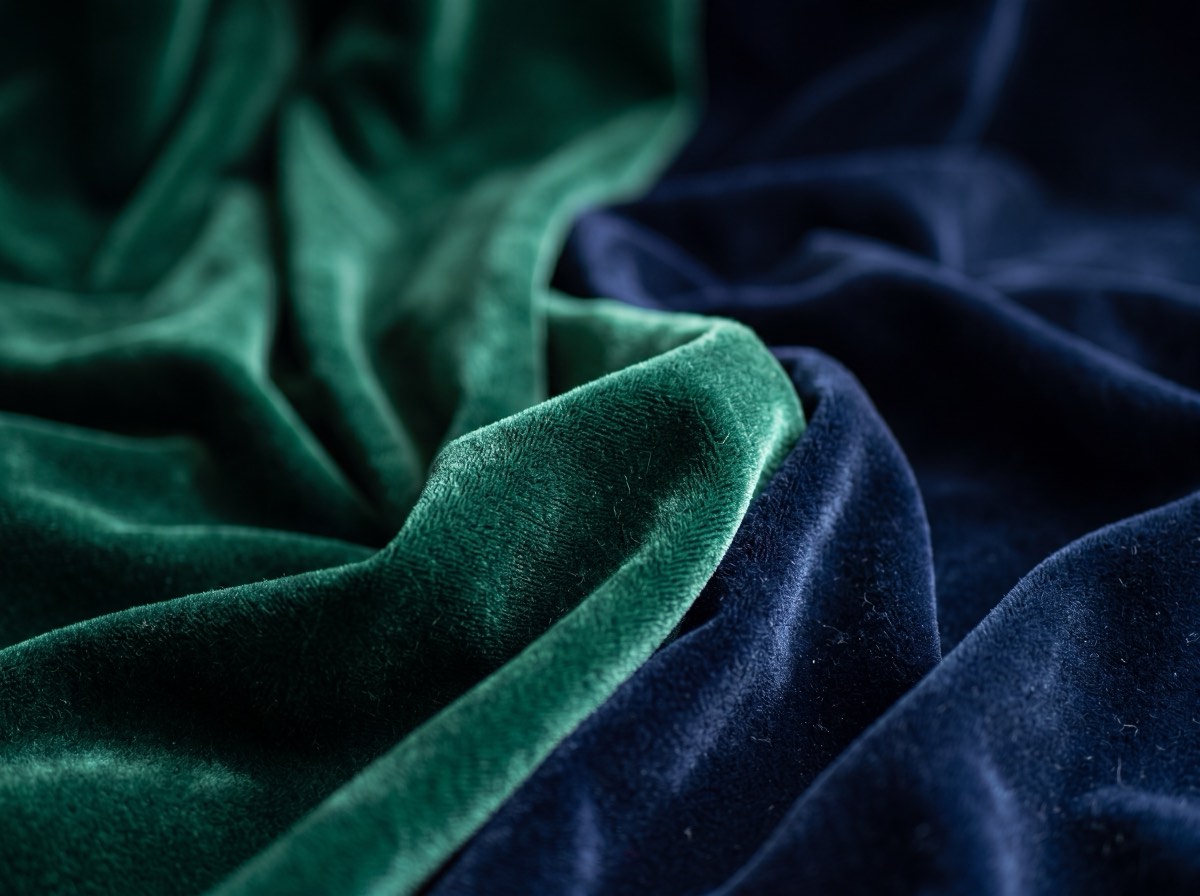
The core difference between the two lies in how they are made. Traditional velvet is woven on a double cloth and then cut to create a dense, upright pile, while velour is most often knitted, giving it more stretch, flexibility and usually a lower price point. This distinction shows up directly in how the fabric behaves on tight corners and how it resists crushing over time.
Fibers and wear performance
These fabrics are available in several fiber types, each with its own behavior. Polyester velvet is the most common choice in commercial upholstery because of its strong abrasion resistance and easy care. Viscose or cotton velvet offers a deeper sheen but is more sensitive to pressure and seating marks. When buying in bulk, pay attention to the fabric weight in grams per square meter, since higher weight and denser pile generally indicate greater durability.
- Abrasion resistance (Martindale): Choose fabrics rated above heavy domestic use for a longer service life.
- Pile direction: It affects shading, so keep the direction consistent when cutting to avoid color variation.
- Colorfastness: Check resistance to light and rubbing, especially for pieces exposed to sunlight.
- Backing: A reinforced backing reduces stretch and makes fitting to the wooden frame easier.
Care and practical use
One of the most common client concerns with velvet is pressure marking, also called shading or pile reversal. This is a temporary change in pile direction that appears as lighter or darker patches. It is a natural property of pile fabrics rather than a defect, and it can be eased with light steaming or a soft brush. For high-traffic furniture, a short-pile velvet is preferable because it hides seating marks better than a long pile.
In short, choosing the right velvet or velour starts with matching fiber type and construction to the intended use of the furniture and your production budget. Through Tkanex, furniture makers and upholstery traders can access a reliable selection of velvet and velour fabrics with clear specifications and wholesale quantities, along with support in choosing the most suitable material for each project.