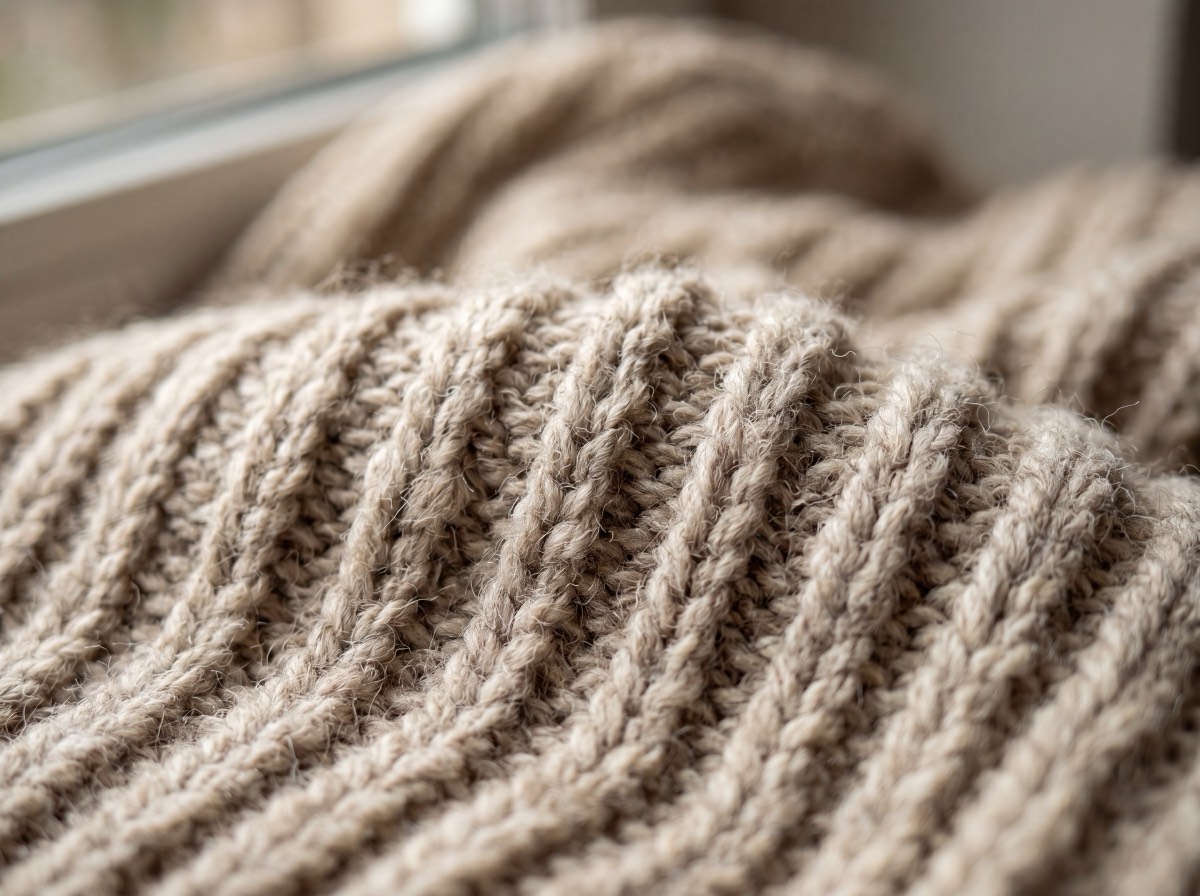
Knitwear refers to a broad family of fabrics built from interlocking loops of yarn rather than the perpendicular interlacing of warp and weft found in woven cloth. This looped structure is the source of knit fabric's stretch, drape and comfort, making it the default choice for body-hugging garments, activewear and underwear.
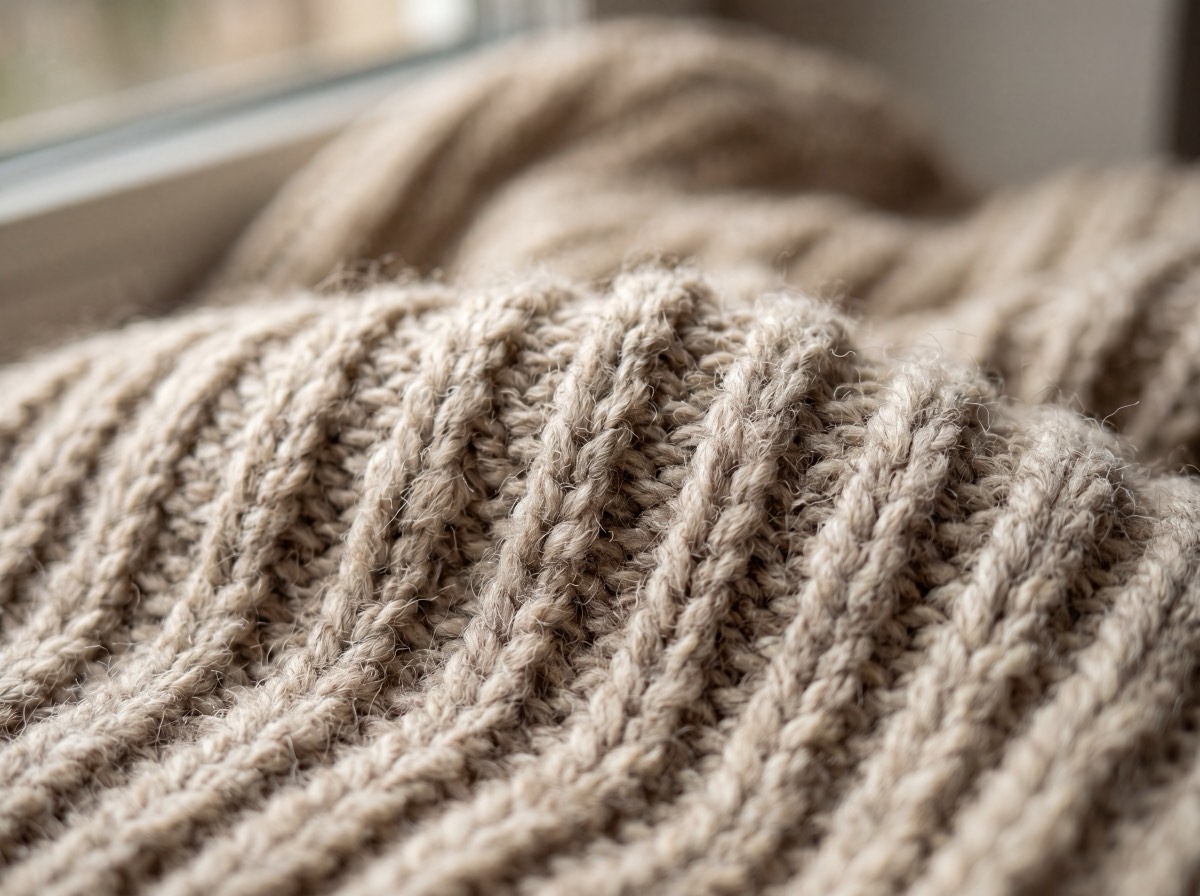
Knits split into two structural categories. In weft knits, a single yarn forms loops row by row across the fabric, giving high stretch and the familiar feel of jersey and rib. In warp knits, multiple parallel yarns form loops lengthwise, producing a more stable fabric that resists laddering and curling when cut, as seen in tricot and raschel constructions.
Common knit types and their uses
Buyers select a knit by target weight (grams per square metre), stretch ratio and dimensional stability. The most requested constructions in the wholesale market include:
- Single jersey: light and stretchy with a smooth face and looped back, ideal for t-shirts and summer wear.
- Rib: raised and recessed columns give strong crosswise stretch, used for cuffs, collars and fitted garments.
- Interlock: two identical faces, heavier, more stable and smooth, suited to childrenswear and loungewear.
- French terry / fleece: a looped or brushed back adds warmth, the basis of sweatshirts and hoodies.
- Ponte / piqué: firmer and more structured, suited to dresses and polo shirts.
Practical differences in sourcing
Fibre content shapes performance too. Cotton delivers comfort and moisture absorption, polyester adds durability and colour fastness, while even a small share of elastane (spandex) raises stretch and recovery. Key points to check before buying are shrinkage after washing, the tendency of edges to curl, and dimensional stability after finishing.
Understanding knit structure, type and weight helps manufacturers and wholesalers match the right fabric to each product and reduce production risk. Through Tkanex you can compare knit fabrics from trusted suppliers across Ukraine and Europe, request samples, and secure wholesale quantities with precise, transparent specifications.