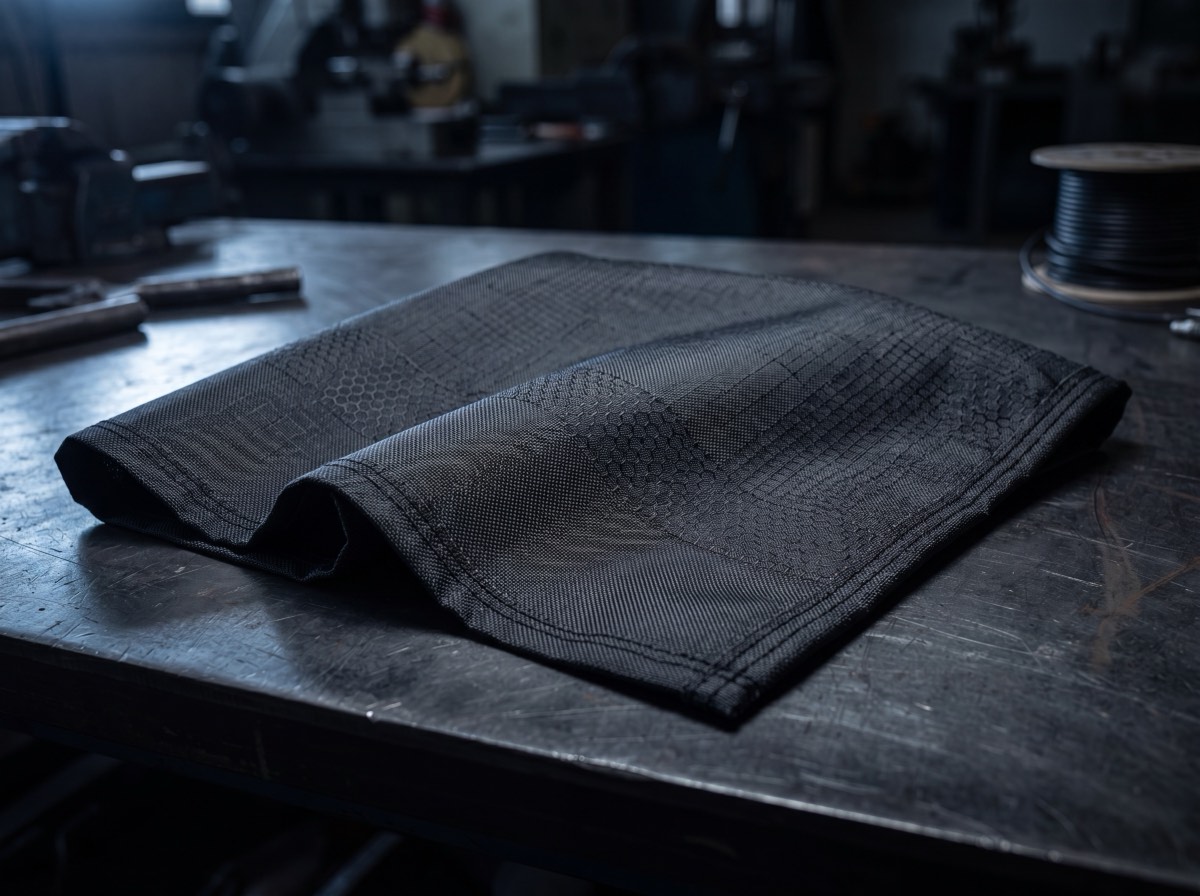
Geotextiles are among the most important technical fabrics in modern construction and infrastructure. Engineered from durable synthetic fibers such as polypropylene and polyester, they are designed to work beneath the ground for decades. Although they are invisible once a project is finished, they perform three essential functions: reinforcement, drainage, and soil separation.
Reinforcement and soil stabilization
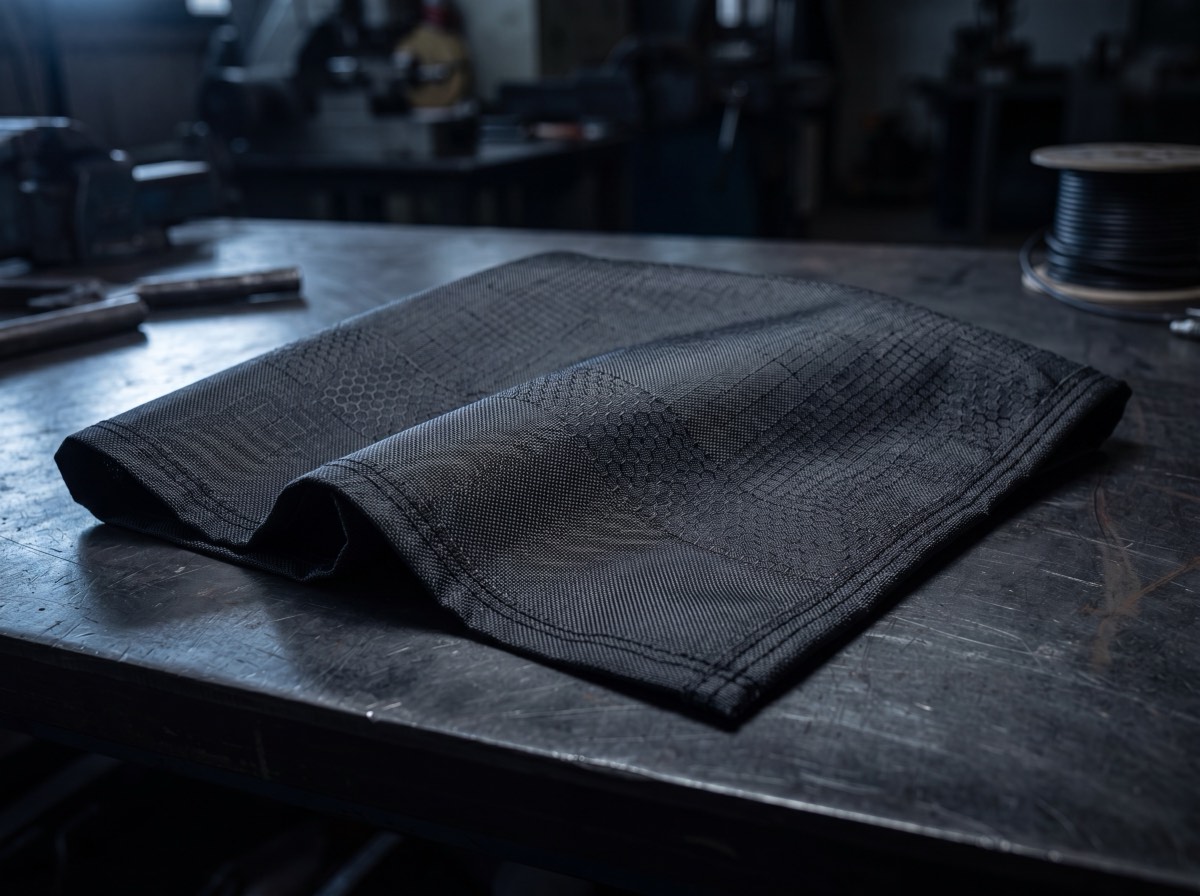
In road building, embankments, and retaining structures, woven geotextiles distribute loads across a wider area and limit deformation of weak soils. Their high tensile strength stops the aggregate layer from sinking into soft clay, extending pavement life and reducing the volume of material needed. The woven type is chosen specifically when tensile resistance is the decisive factor.
Drainage and separation
Non-woven geotextiles let water pass through while retaining soil particles, acting as a filter that keeps drainage pipes from clogging. They also separate different layers of aggregate and subsoil so each layer stays clean and performs its role. Without this separation, layers gradually intermix and the foundation loses its bearing capacity.
- Woven: high tensile strength, ideal for reinforcement and stabilizing weak soils.
- Non-woven: high water permeability, ideal for filtration, drainage, and separation.
- Mass per unit area (g/m²): a key indicator for matching durability to the load.
- UV resistance: essential for storage or temporary sun exposure on site.
Choosing the right supplier
Success in infrastructure projects starts with a reliable supplier who delivers fabrics that meet specification and are backed by quality certification. Through the Tkanex platform, contractors and distributors across Ukraine and Europe can access a broad range of technical fabrics in different weights and types, with clear specifications and transparent wholesale supply terms, making it faster and more reassuring to source the right geotextile for every project.