Fire-retardant (FR) fabrics and specialty technical textiles form a category entirely separate from conventional cloth, because here performance is purchased before hand-feel or appearance. The industrial buyer is not looking for a beautiful material alone, but for one that protects a worker's life and meets an auditable standard. Understanding this category is essential for anyone sourcing into the oil, energy, defence and transport sectors.
Treated versus inherent protection
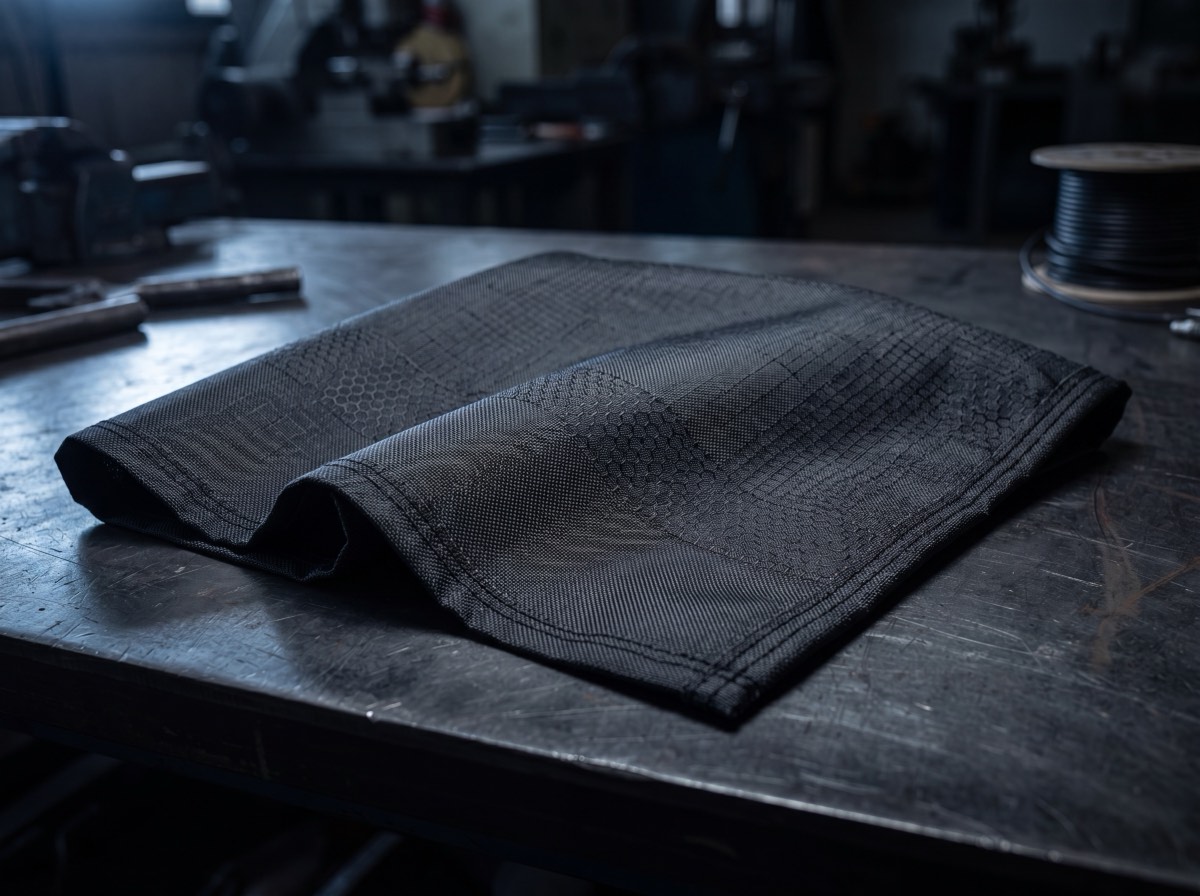
Flame resistance comes in two fundamentally different forms. The first is chemically treated FR, where a cotton or blended fabric is finished with flame-inhibiting compounds. It is lower in cost, but its performance can decline gradually with repeated industrial laundering. The second is inherent FR fibre such as Aramid and Modacrylic, where the resistance is built into the fibre structure itself and does not wash out. The right choice depends on expected garment life, laundry frequency and project budget.
Beyond flame resistance, technical fabrics often combine several properties on the same specification: arc-flash protection, chemical splash repellency, cut resistance, thermal insulation and a controlled level of breathability for wearer comfort.
Standards and applications
No serious purchase order is complete without naming the standard. In Europe, references such as EN ISO 11612 (heat and flame), EN ISO 11611 (welding) and IEC 61482 (arc flash) are the baseline, while international clients frequently request equivalents like NFPA 2112. Common applications include:
- Workwear for oil, gas and power-station personnel
- Welding suits and metal-workshop clothing
- Arc-flash protection for electrical technicians
- Flame-retardant upholstery for hotels and public transport
- Defence and firefighting applications
Sourcing considerations
When sourcing these fabrics, pay attention to weight consistency (GSM), colourfastness after industrial washing, and the compatibility of threads and trims with the FR property. There is no benefit to a protective fabric sewn with ordinary flammable thread. Minimum order quantities and lead times for these materials are also typically longer than for standard textiles.
Ultimately, the technical-fabric market demands a sourcing partner who understands the difference between a claim and a certificate. Through the Tkanex platform, buyers across Ukraine and Europe can reach vetted suppliers with clear documentation and testable samples, turning specialty fabric procurement from a gamble into an informed decision.