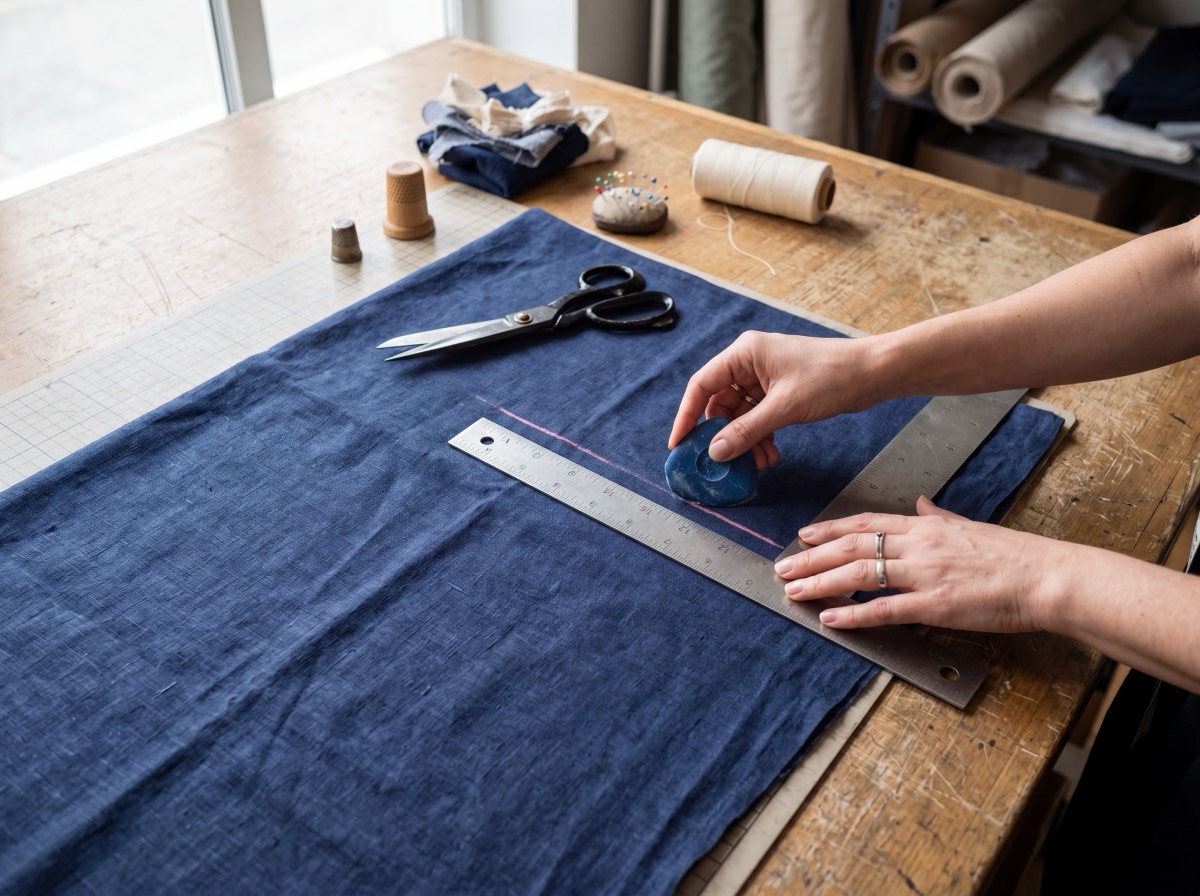
Protecting fabric quality begins long before the cutting table — it begins in the warehouse. Textiles are a living material that reacts to their surroundings: they absorb moisture, expand and contract with temperature swings, and fade under light. Neglecting storage conditions can turn an excellent batch into damaged stock within weeks. This guide covers the practical temperature and humidity rules that wholesale fabric traders and suppliers rely on.
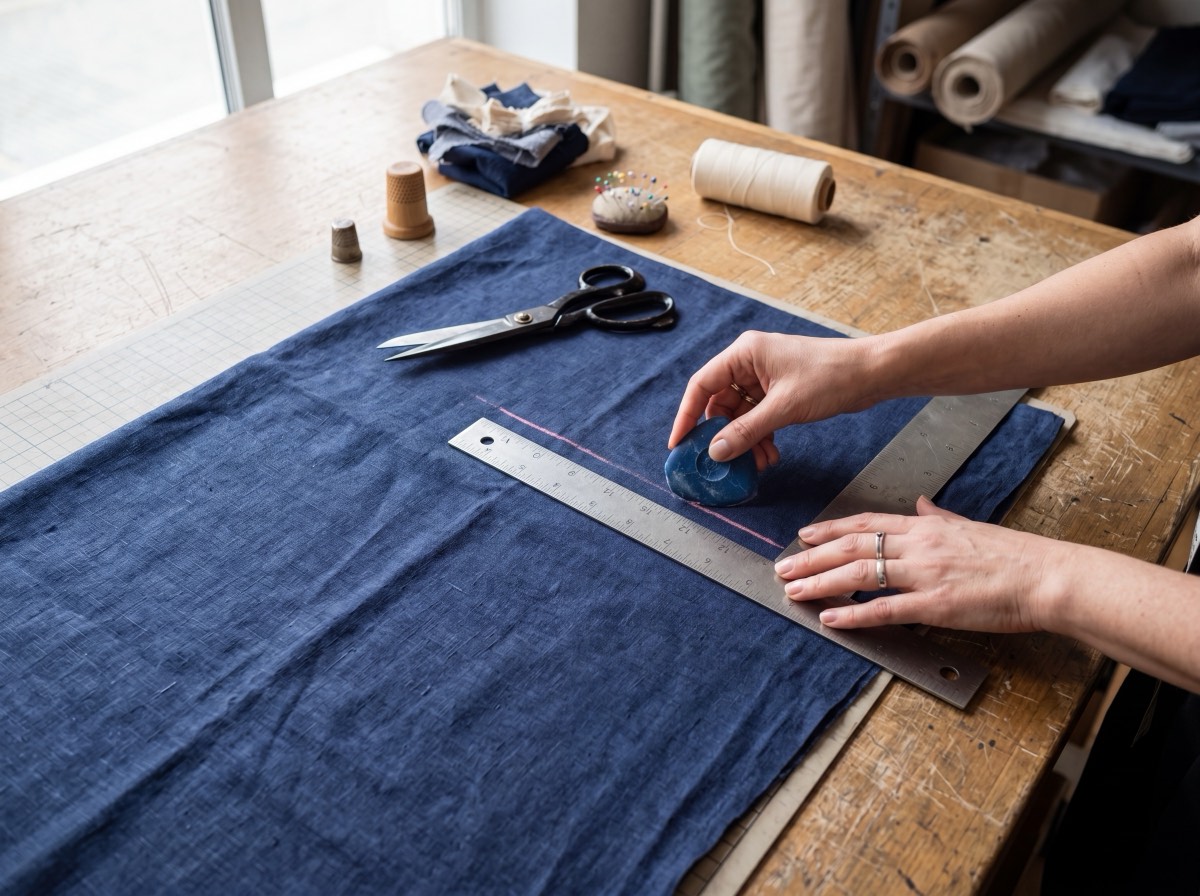
Temperature and Humidity: The Core Equation
The general rule across the textile industry is to maintain a moderate, stable temperature, typically between 18 and 24 degrees Celsius, with relative humidity in a balanced range of roughly 50 to 65 percent. Stability matters more than any single number; repeated swings between dry and damp stress fibres far more than holding steady at a slightly higher level. Excess humidity opens the door to mildew, staining and odours, while overly dry air makes natural fibres brittle and increases static cling in synthetics.
Practical Rules for Proper Storage
- Raise rolls off the floor on pallets or racking to prevent moisture wicking up from the ground.
- Store rolls horizontally or suspended where possible to avoid crush wrinkles and permanent fold lines.
- Keep fabric away from exterior walls and windows to limit sunlight exposure and temperature differentials.
- Ensure airflow and circulation between rows so moisture does not pool in stagnant corners.
- Wrap light colours and delicate cloth in breathable materials rather than sealed plastic that traps vapour.
Fibre Differences and Storage Duration
Fibre sensitivity varies. Natural cotton, linen and wool absorb moisture readily and demand tighter control, while polyester and synthetics are more forgiving but prone to static and set-in fold marks. Wool in particular needs protection from moths through cleanliness, ventilation and periodic inspection. Long-resident stock should follow a first-in, first-out rotation to avoid yellowing of whites and fading of colours over time.
Ultimately, proper storage is not a cost but an investment that protects your margin and ensures fabric reaches the customer in the promised condition. Through the Tkanex marketplace, we connect wholesale buyers across Ukraine and Europe with suppliers who uphold these standards — so your fabric arrives with its quality preserved, from warehouse to production line.