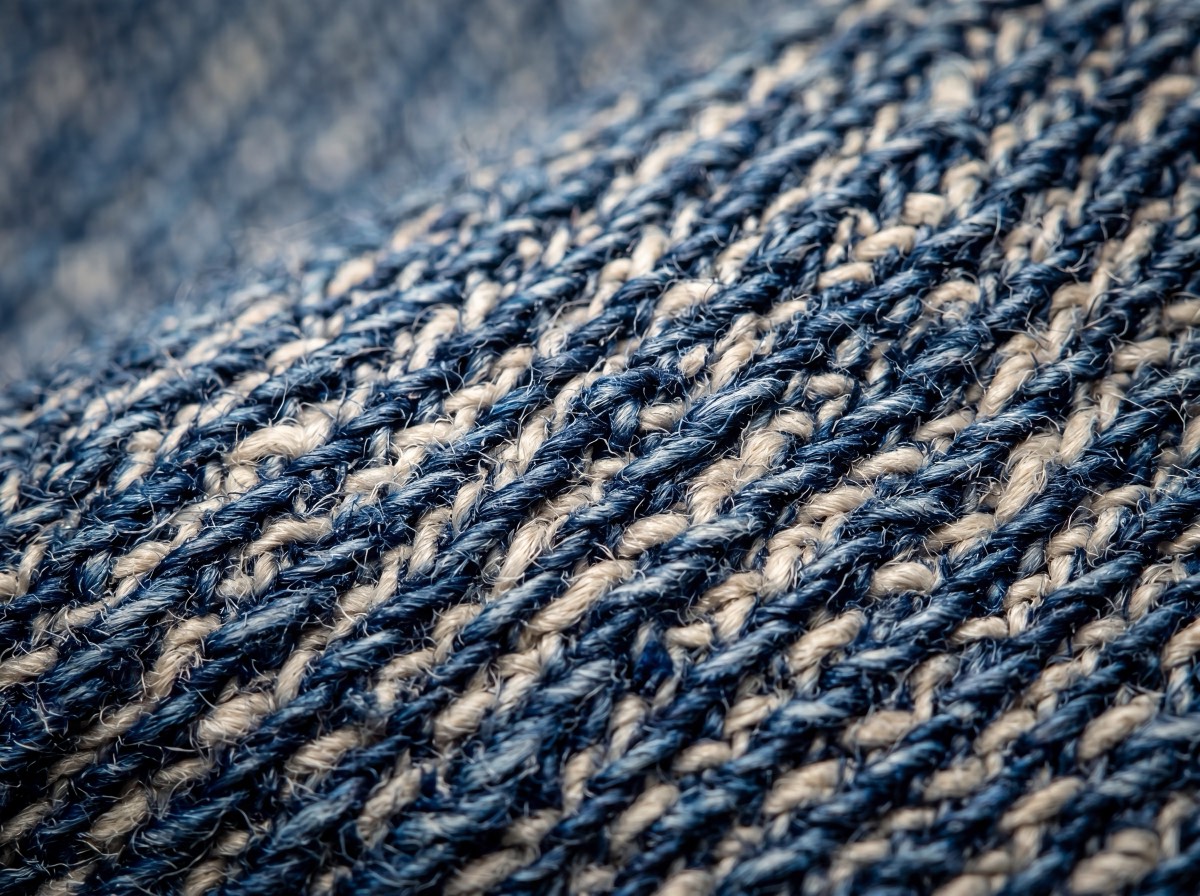
Wholesale buyers frequently confuse satin and atlas (sateen), assuming they are different fibers. In reality, both describe the same family of weave structure, not a raw material. The real difference lies in how the warp and weft threads interlace, and which fiber the weave is executed on. That structure determines the fabric's sheen, hand-feel and behaviour on the sewing line, so understanding it prevents costly mistakes when sourcing an apparel order.
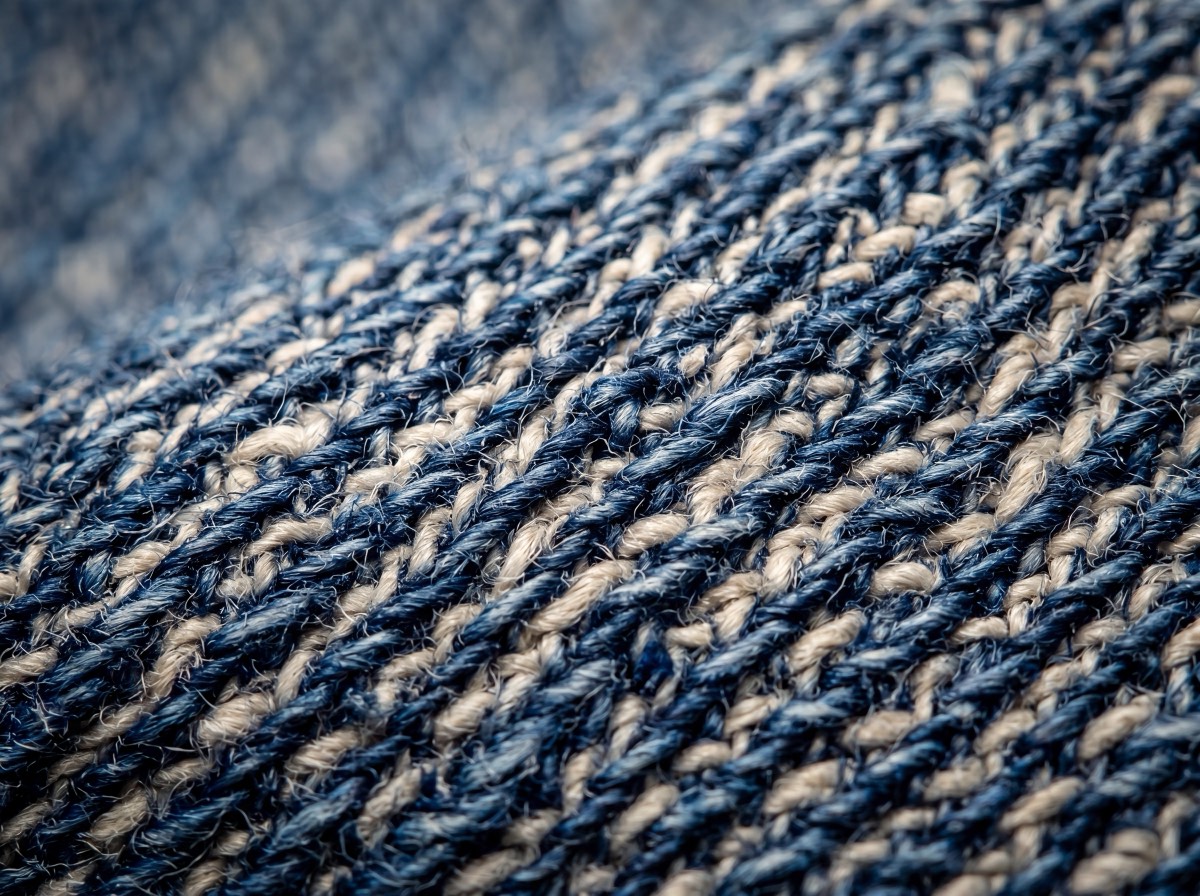
What satin actually is
Satin is a weave structure, not a fiber. In a satin weave the warp thread floats over four or more weft threads before tucking under one. These long floats reduce surface interlacing points, giving the fabric its fluid lustre and smooth glide. Traditionally satin is woven from glossy filament yarns such as silk or polyester, which is why its face is highly reflective while the reverse stays matte.
And atlas (sateen)?
The term atlas, or sateen, usually refers to the same satin weave but executed on spun staple yarns, most often cotton, with the weft floating over the warp instead. The result is a softer, calmer sheen, a warmer cotton hand-feel and solid durability. In Russian and Ukrainian-speaking markets the word atlas is often used for shiny synthetic cloth, while cotton sateen is a distinct product, so the meaning should always be clarified on the order.
- Fiber: satin is usually filament polyester or silk; sateen is usually spun cotton.
- Sheen: satin is bright and highly reflective; cotton sateen has a soft, muted glow.
- Hand-feel: satin is cool and slippery; sateen is warmer and more flexible.
- Drape: satin flows for gowns and linings; sateen is slightly firmer for shirting and bedding.
- Care: satin snags and abrades more easily; cotton sateen washes more forgivingly.
Which should you choose?
If your product is evening gowns, linings or statement pieces, polyester or silk satin is the natural choice for its drape and high shine. If you are making elevated shirting, casual dresses or bedding, cotton sateen delivers more comfort and breathability with a restrained lustre. Also weigh fabric weight: lighter weights suit fluid, draping garments while heavier weights hold structured tailoring.
Ultimately, choosing the right weave starts with a supplier who understands these distinctions and provides transparent specs and reliable samples. On Tkanex you can compare satin and sateen qualities from suppliers across Ukraine and Europe, review weights and constructions, and request samples before committing to a wholesale order, so the cloth matches your design vision exactly.